
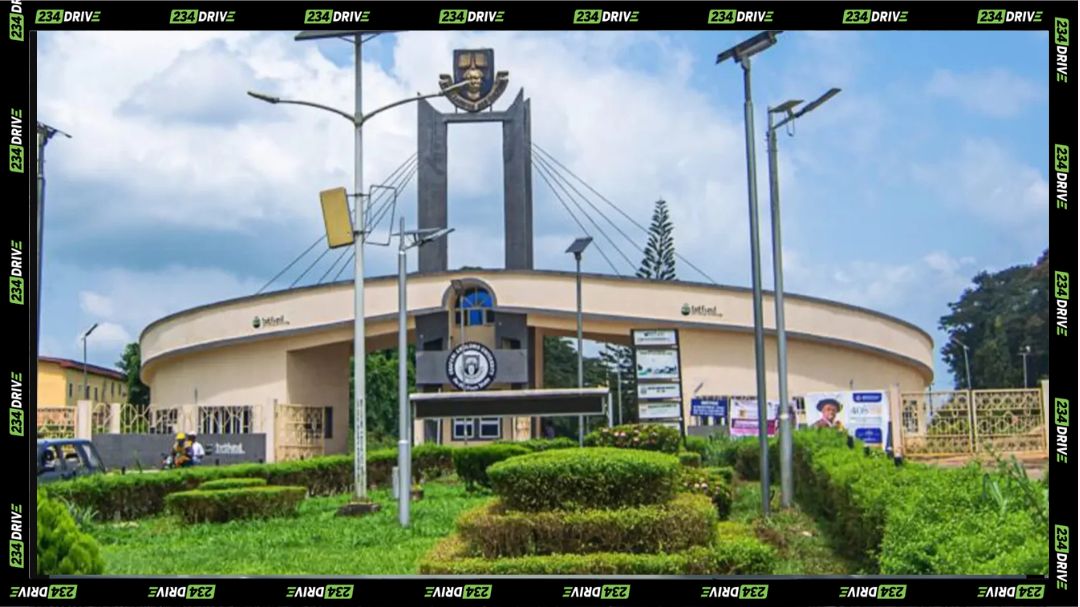
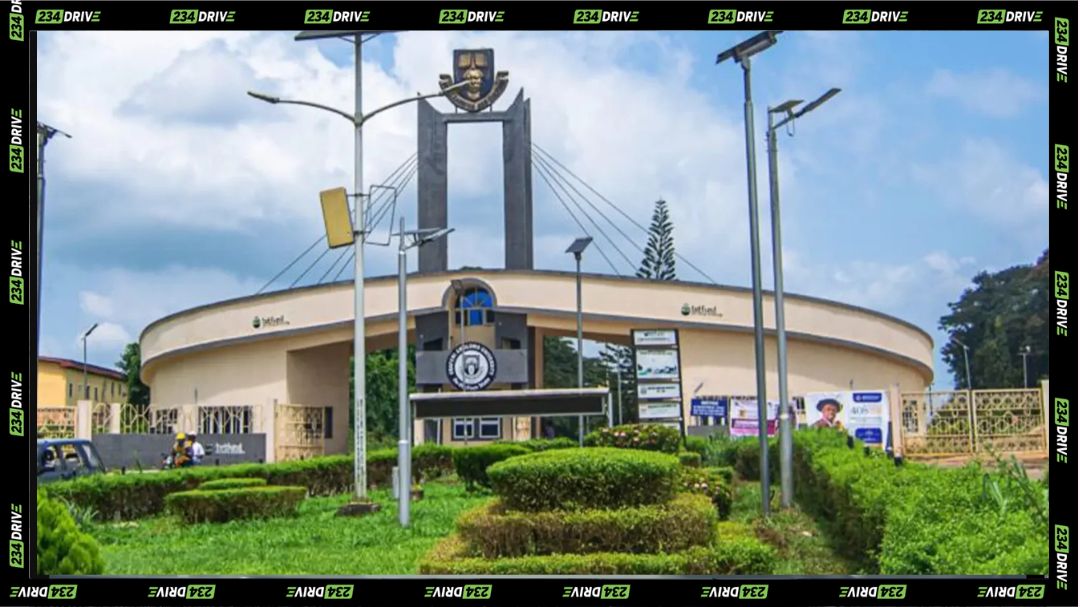
The promise of a ‘serene and eco-friendly’ academic environment at Obafemi Awolowo University (OAU) has collided with the harsh reality of a logistics nightmare, leaving over 35,000 students stranded in a mobility crisis that has sparked widespread academic disruption.
What began as a celebrated donation of nearly 80 compressed natural gas (CNG) shuttle buses and 30 eco-friendly tricycles from Nigeria’s First Lady, Senator Oluremi Tinubu, has inadvertently triggered a total 72-hour lecture boycott led by the Students’ Union Government (SUG). By banning traditional ‘Town-Gboro’ buses and commercial motorcycles (Okada) in a bid to modernise the campus, the university management has exposed a critical gap between administrative policy and the lived experience of the student body.
The transition, which reached a breaking point in mid-April 2026, has turned the simple act of attending a lecture into a test of physical and mental endurance. For students living off-campus in areas like Lagere or Gate, the day now begins as early as 5:30 AM to secure a spot in queues that often stretch over 100 metres at the campus gate.
The inadequate and poorly implemented system means that by the time a 9:00 AM class begins, many students are still standing in the humid morning air, watching as the limited fleet of 10-seater buses fails to make a dent in the growing crowd. The irony of a ‘modern’ system creating prehistoric-level queues is not lost on the ‘Great Ife’ community, where the daily struggle for mobility has overshadowed the academic focus of the current semester.
At the heart of the grievance is a fundamental mismatch in capacity; student leaders argue that replacing 300 registered Okada riders and 150 high-capacity Town-Gboro buses with a fractional fleet of donated CNG vehicles is a logistical impossibility. Reports indicate that several of the newer electric tricycles have already been sidelined due to mechanical issues or a lack of charging infrastructure, further depleting an already stressed system.
This operational deficit has led to severe overcrowding, with students frequently seen hanging from bus doors or squeezed into tricycles designed for half their number—a safety risk that stands in direct contradiction to management’s stated goal of reducing campus accidents.
The human cost of this transport bottleneck is profound, particularly for those whose academic success depends on timely arrival at lecture theatres and laboratories. Beyond the physical fatigue of waiting, students have expressed frustration over a 50 per cent hike in fares, with some routes now costing ₦150 compared to the previous ₦100. This financial strain, occurring amidst general national inflation, has forced many to trek long distances under the scorching sun, further impacting their mental and physical readiness for learning. The Students’ Union Government has noted that lecturers and non-academic staff have also been seen trapped in these queues, indicating that the crisis is not merely a student issue but a campus-wide systemic failure.
The Students’ Union Government, led by President Adelani David and Secretary-General Habeeb Oke, successfully coordinated a near-total boycott between 14th and 16th April, demanding a return to a hybrid transport model. They argue that the university’s refusal to allow traditional commercial operators back onto the roads until the new fleet is properly scaled represents ‘poor thinking’ that prioritises optics over student welfare. The stalemate at OAU remains unresolved, as the administration stands firm on its ban of motorcycles and old buses, citing long-term safety and the standardisation seen at other federal institutions like UNILAG or the University of Ibadan.
While the university management describes these issues as temporary ‘teething problems,’ the financial and academic toll on the students is permanent. For an institution that prides itself on being a premier centre of learning, the current transportation challenges affecting academic activities suggest a need for a more pragmatic approach to ‘green’ transitions. Management has responded by deploying additional coastal buses as a temporary measure, but the core demand for the return of more flexible transport options like the ‘Town-Gboro’ remains a major point of contention. As long as the queues remain, the path to a modern OAU remains blocked by the very vehicles meant to pave the way.
This crisis is a microcosm of a larger national challenge: the push for CNG and eco-friendly transport must be supported by infrastructure and volume, not just policy and passion. Should campus transport be managed as a social service or a private monopoly, and at what point does the pursuit of a ‘serene environment’ start to cost more than it saves? The answer currently lies in the thousands of students still waiting at the OAU gate, hoping for a ride that may never come on time. The ‘Great Ife’ spirit of resilience is being tested, but as tensions simmer, the need for a collaborative, inclusive solution has never been more urgent.