
The dream of the hands-free commute is no longer just a hardware problem; it is a recurring line item on your bank statement. For years, the promise of Advanced Driver-Assistance Systems (ADAS) was sold as a revolutionary feature of the modern electric vehicle (EV). But as we enter the second quarter of 2026, the industry’s heaviest hitters—Tesla, Rivian and Lucid—have made their intentions unmistakably clear. They are transitioning from selling a product to leasing a service, turning the software that steers your car into a permanent revenue stream.
The shift reached a fever pitch in mid-February when Tesla, the long-standing leader in the space, eliminated the purchase option for its Full Self-Driving (Supervised) package. In a move that signaled the end of vehicle ownership as we knew it, the company moved FSD to a subscription-only model at $99 per month. While existing owners were grandfathered in, new buyers now find that the path to autonomy requires a monthly commitment. This isn’t merely a pricing adjustment; it is a fundamental shift in the contract between the manufacturer and the driver.
Not to be outdone, Rivian launched its own Autonomy+ package this February, offering hands-free driving on over 3.5 million miles of North American roads for $49.99 a month. Lucid has similarly laid out its cards, revealing tiered autonomy subscriptions starting in early 2027 that could cost high-end users as much as $199 monthly. Under these frameworks, the car provides the muscle, but the manufacturer provides the brain—and the brain requires a monthly fee to keep thinking.
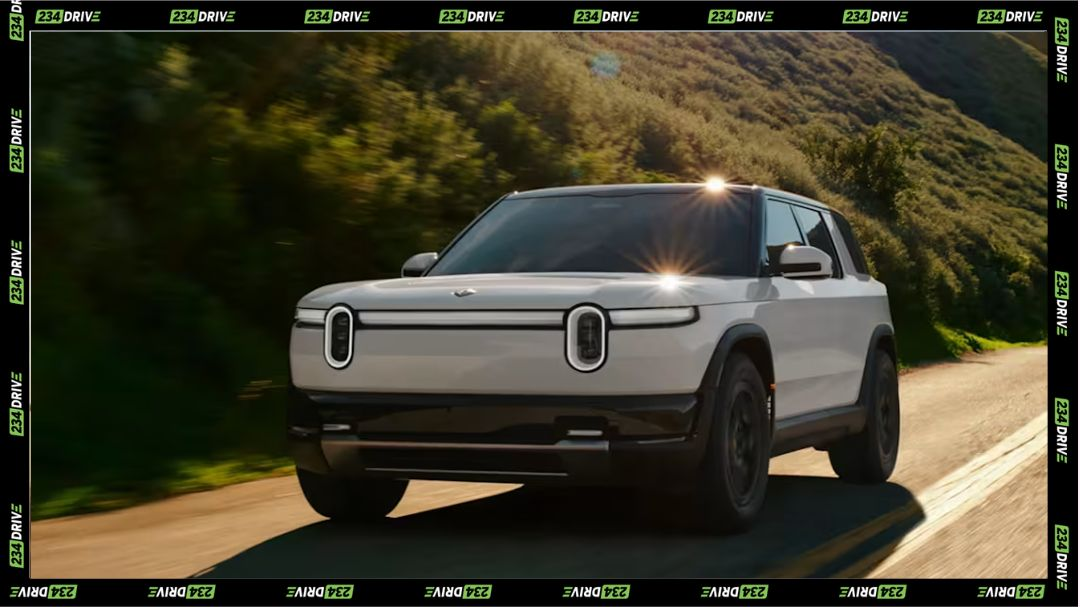
The logic from the boardroom is simple: hardware margins are thin, but software margins are legendary. For newer players like Rivian and Lucid, who have spent billions in their quest for profitability, these subscriptions are the ‘monetisation opportunity’ they have been promising investors. By locking features behind a paywall, they ensure that a vehicle sold in 2026 continues to pay dividends in 2030. It is a transition from the dealership model to the Netflix model, where the initial purchase is just the entry fee to a larger ecosystem.
However, this strategy is colliding with growing consumer resentment. Analysts from J.D. Power and Consumer Reports have flagged a consistent trend: buyers feel ‘nickel-and-dimed’. After spending upwards of $70,000 on a premium EV, being asked to pay extra for lane-centering—a feature many argue should be as standard as airbags—feels like a betrayal of value. There is a psychological barrier to paying a monthly fee for a safety system that is already physically installed in the car. It transforms a lifesaving tool into a luxury add-on, leading many to wonder if they are driving a car or just renting a very expensive computer.
The stakes are highest for Tesla, which is doubling down on this software-first future with its Cybercab production ramp scheduled at Giga Texas this month. The two-seater vehicle has no steering wheel or pedals, making it entirely dependent on the very software users are now being asked to subscribe to. If Tesla can prove that its unsupervised autonomy works, the subscription fee might feel like a fair trade for the gift of time. If it continues to require heavy supervision, the monthly bill will remain a source of friction.
This marks the definitive shift from the era of automotive hype to the era of fleet-scale operations. We are no longer debating whether cars can drive themselves; we are debating how much we are willing to pay for the privilege every thirty days. As mobility becomes an operating system, the question for the everyday driver is no longer just which car to buy, but which subscription they can afford to keep.