
Lagos Floods: Why No Car Is Truly Safe From Driving in the Rain
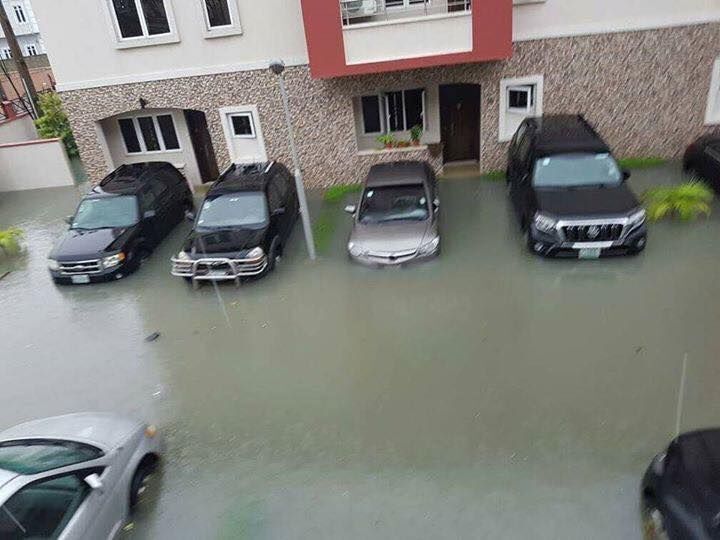
Lagos residents have been waking up to flooded streets as heavy rainfall submerged major roads across the city. What surprised many motorists was that areas that had not experienced severe flooding in years were suddenly underwater, leaving several vehicles stranded and, in many cases, completely submerged.
The situation comes as little surprise to experts. Earlier this year, the Nigerian Meteorological Agency (NiMet) warned that 2026 would experience above-normal rainfall, with Lagos expected to be one of the hardest-hit states because of its coastal location, low-lying terrain, and poor drainage infrastructure.
As more intense rainfall becomes the new normal, motorists need to understand one important fact: No vehicle is immune to flood damage.
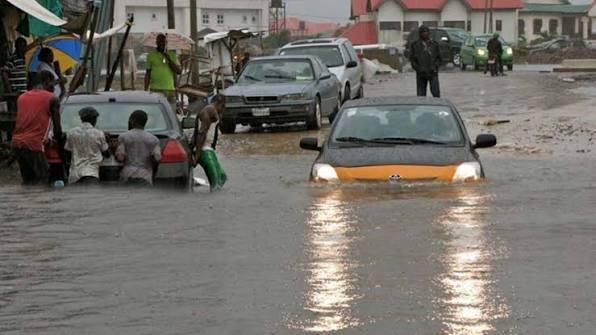
Whether you drive a Toyota Corolla, Lexus RX, Mercedes-Benz GLE, BMW X5, or even a Range Rover, every vehicle has its limits.
How Flood Water Damages Your Car
Many drivers assume flood damage only happens when a car is completely submerged. Unfortunately, that isn’t true.
When a vehicle drives through flood water, two major systems immediately become vulnerable:
- The Electrical systems
- The Engine and drivetrain components
Modern vehicles are filled with sophisticated electronics that control everything from engine performance and braking to airbags, power steering and parking sensors. Many of these control modules are mounted low within the vehicle, making them vulnerable once water levels begin to rise.
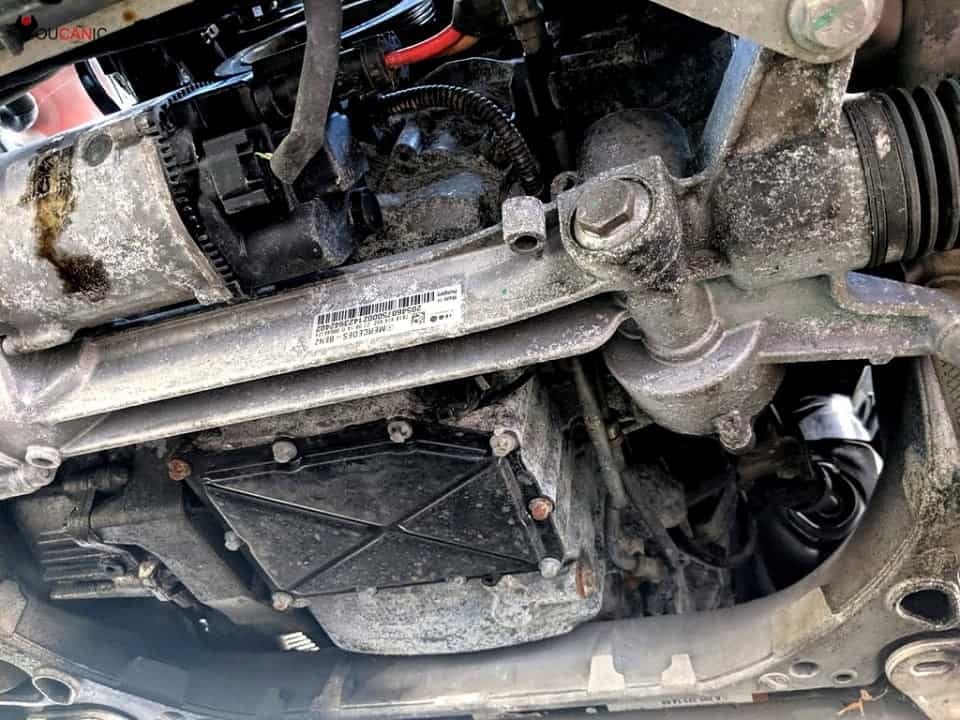
Luxury brands such as Mercedes-Benz, BMW, and Lexus are especially packed with sensitive electronics, which is why owners are often advised to avoid flooded roads entirely.
For All Cars, The Door Sill Is the Danger Zone
One useful rule of thumb is to watch the water level.
Once flood water reaches approximately the height of your door sill, your vehicle has entered a high-risk zone.
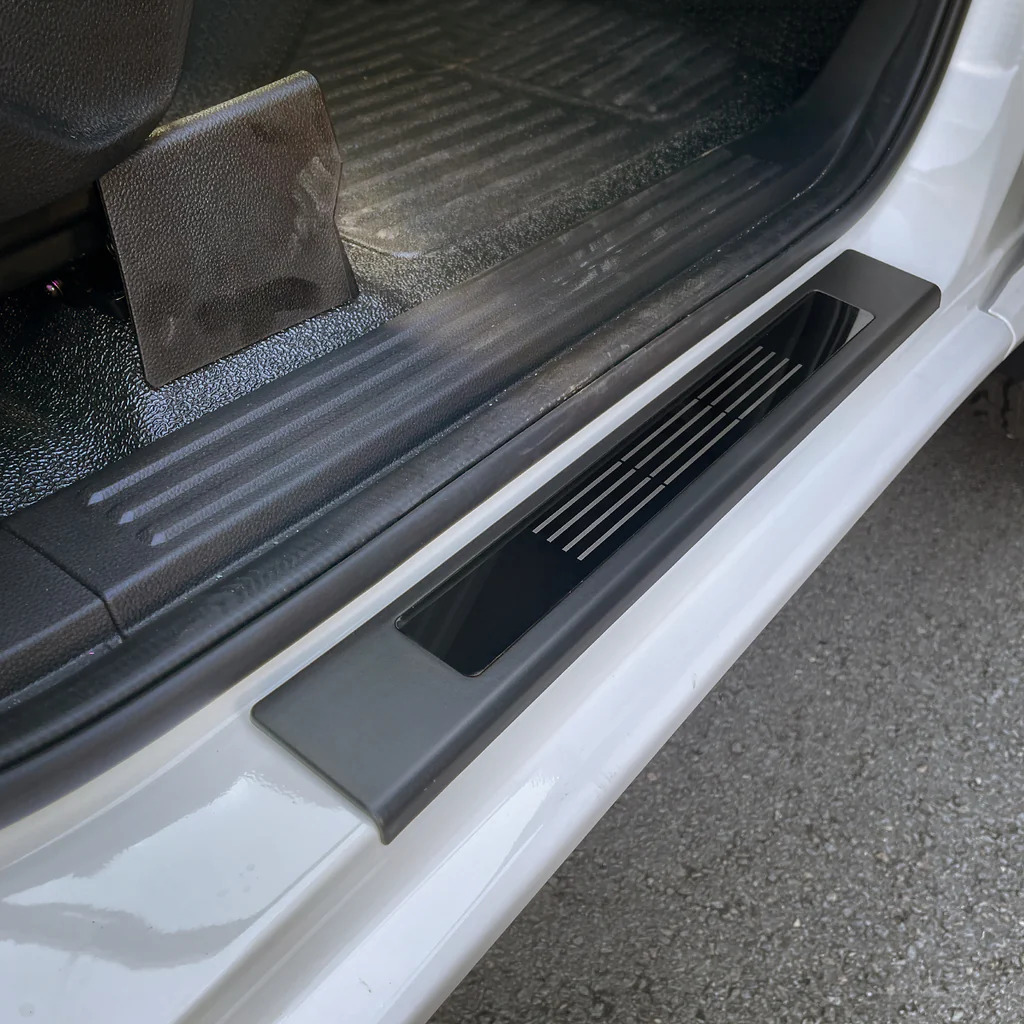
At that point, it no longer matters whether the car is brand new, ten years old, or worth ₦100 million.
Flood water does not discriminate.
“My SUV Can Handle It”…A Dangerous Assumption
One of the biggest mistakes motorists make during heavy rainfall is assuming their vehicle is capable of handling deep water simply because it is an SUV.
Common statements include:
- “My SUV will survive.”
- “My car is built for this.”
- “The vehicle in front made it through, so I can too.”
Unfortunately, these assumptions have led to countless expensive repair bills.
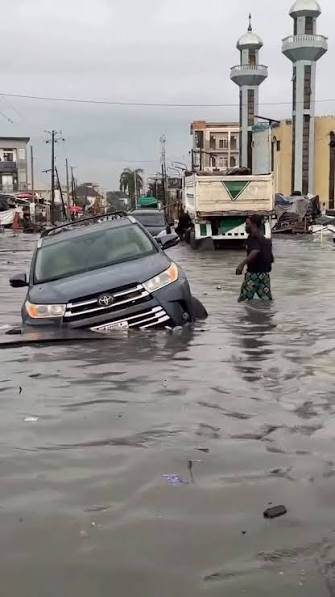
Every vehicle; Toyota, Lexus, Mercedes-Benz, Range Rover, Honda, Hyundai, or Ford has a maximum safe wading depth. Exceeding it can cause severe mechanical damage.
What Is Hydrolock?
The greatest mechanical threat during flooding is a condition known as hydrolock.
To understand why it happens, it helps to know how an engine works.
An engine requires air to enter through the air intake, where it mixes with fuel before combustion occurs. During deep flooding, however, water can enter through the same air intake.
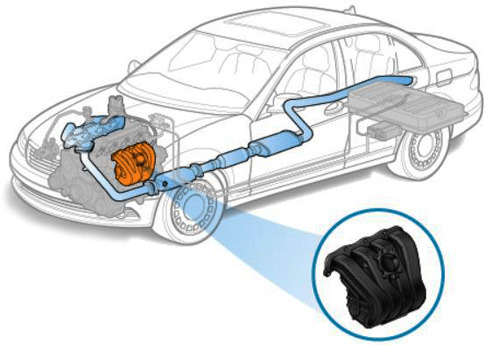
Unlike air, water cannot be compressed.
If enough water enters the engine cylinders, the pistons suddenly attempt to compress something that cannot be compressed. The engine abruptly stops, and the enormous force can bend connecting rods, damage pistons, crack engine components, or even destroy the entire engine.
This catastrophic failure is called hydrolock.
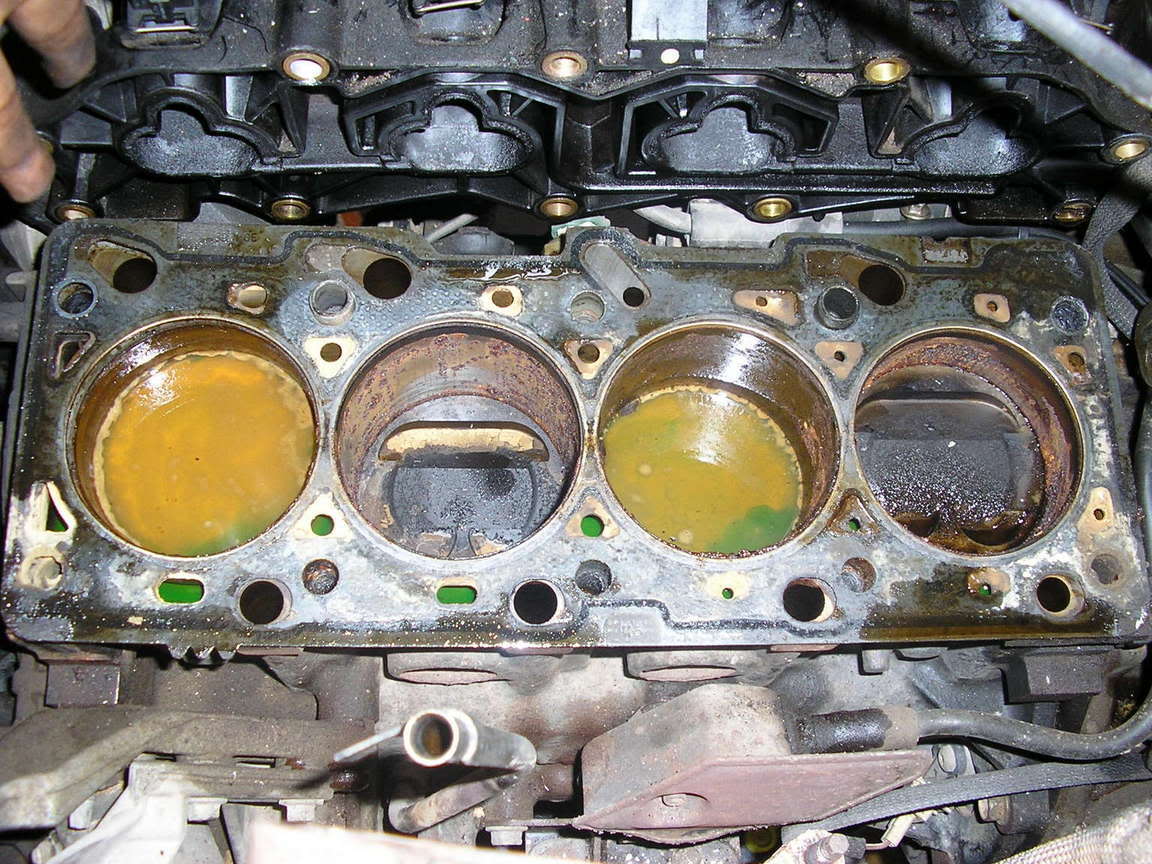
For many motorists, recovering from hydrolock means replacing the engine entirely. In today’s Nigerian market, even the cheapest replacement engines can cost around ₦1 million, excluding labour and other associated repairs.
What About Vehicles With Wading Modes?
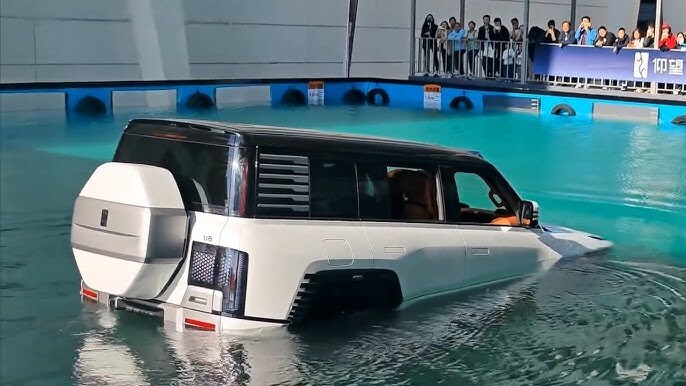
Some modern SUVs, including newer Range Rover models and a few other off-road-focused vehicles, feature wading modes designed to help the vehicle travel through water under controlled conditions.
However, that does not mean they are immune to Lagos flooding.
The flood water on Lagos roads is far from clean.
It often contains:
- Mud
- Sand
- Refuse and organic waste
- Chemicals
- Oil and fuel residues
- Salt and other contaminants
Even if the vehicle successfully drives through the flood, these contaminants can remain inside connectors, wiring harnesses, wheel bearings, suspension components, brakes, and electronic modules.
Weeks or even months later, corrosion can begin to cause intermittent electrical faults, warning lights, sensor failures, and other expensive problems that are difficult to diagnose.
Why Flood Damage Sometimes Appears Weeks Later
One of the most deceptive aspects of flood damage is that a vehicle may appear perfectly fine immediately afterward.
The engine starts. The dashboard shows no warning lights. Everything feels normal.
Then, weeks later, strange issues begin to appear:
- Random electrical faults
- Warning lights that come and go
- Brake performance changes
- Malfunctioning sensors
- Rough engine operation
- Starting problems
- Corrosion-related failures
This delayed damage is why many flood-damaged vehicles continue to deteriorate long after the flood waters have disappeared.
How to Protect Your Car During Heavy Rainfall
Flood damage is often preventable if motorists make smart decisions.
1. Never gamble with flood water
If you cannot clearly see the road beneath the water, do not drive into it.
A few minutes of waiting could save you millions of naira in repair costs.
2. Plan your route carefully
During periods of heavy rainfall, avoid roads that are known to flood.
Check traffic and road conditions before leaving home and don’t simply follow another vehicle into deep water because it managed to cross.
Different vehicles have different air intake heights and wading capabilities.
3. Inspect your vehicle after driving through flood water
If your vehicle passes through deep water, don’t assume everything is fine simply because it still starts.
Watch out for:
- Unusual electrical behaviour
- Dashboard warning lights
- Strange engine noises
- Changes in braking performance
- Transmission issues
- Steering abnormalities
If you notice anything unusual, have the vehicle inspected as soon as possible.
The Bottom Line
The goal during this rainy season should still be reliable long after the flood has receded.
With NiMet forecasting above-normal rainfall and flooding becoming increasingly common across Lagos, motorists should treat every flooded road with caution.
Because when it comes to flood damage, no badge, no price tag, and no SUV can completely defeat the laws of physics.