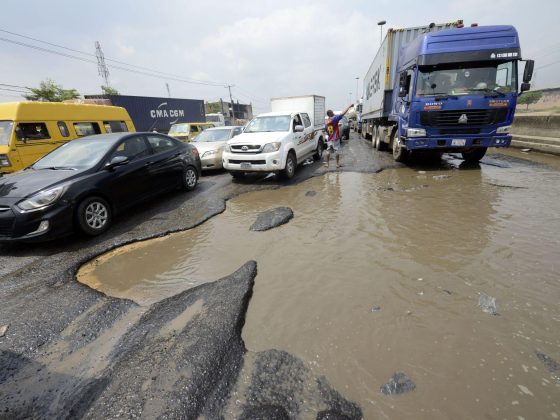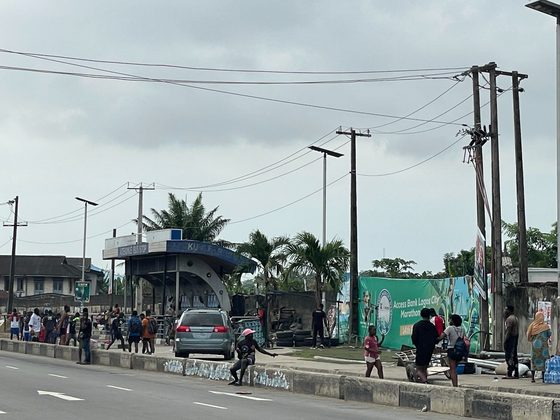

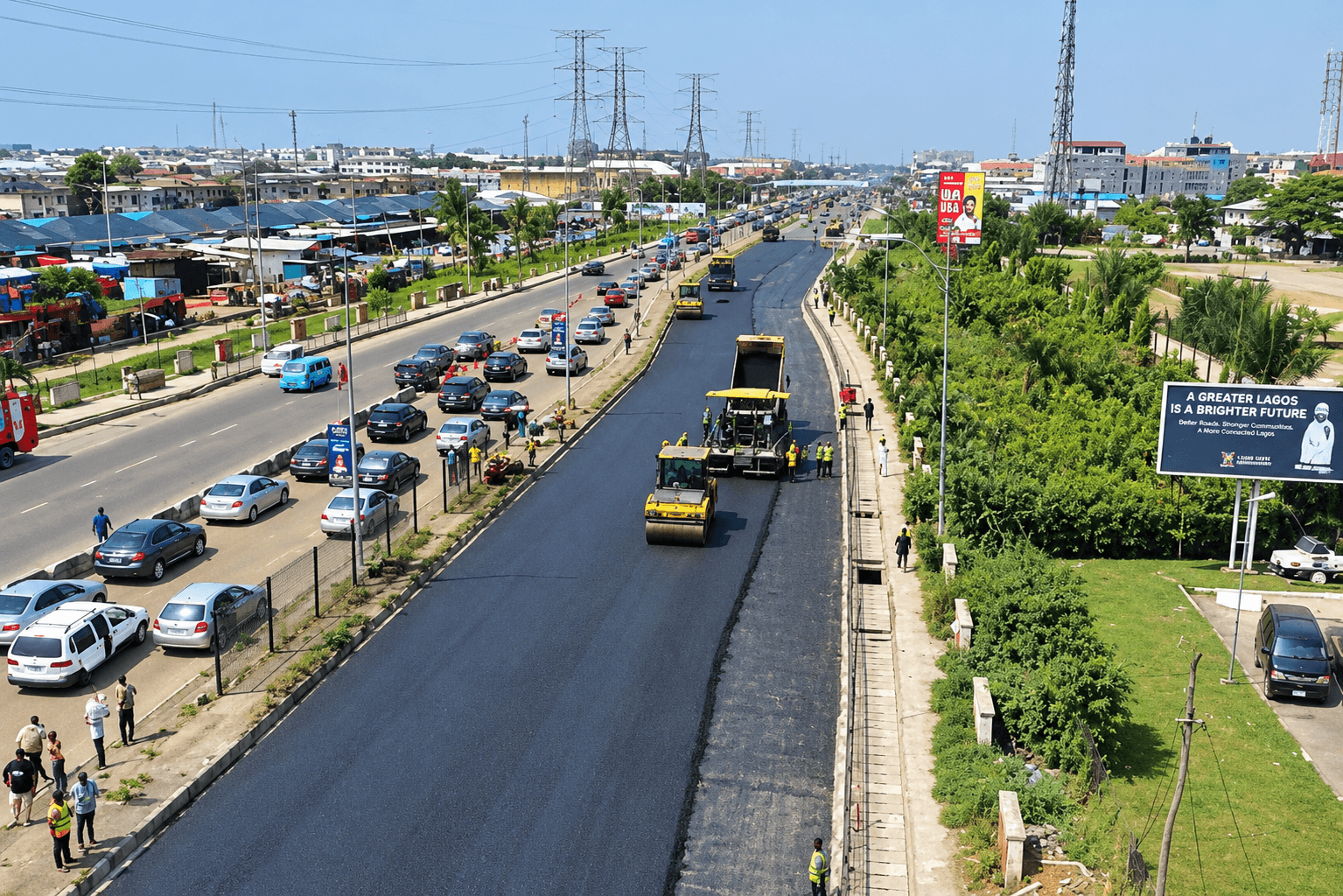
The Lagos State Government has officially commenced a 35-day rehabilitation program targeting heavily degraded sections of the Eti-Osa-Lekki-Epe Expressway. Spanning critical bottlenecks from Bonny Camp to the Admiralty Way junction alongside troublesome stretches around Victoria Garden City (VGC), the project aims to fix broken asphalt and failing drainage systems. For thousands of motorists who rely on this vital artery every single workday, however, an engineering upgrade means facing weeks of severe transit paralysis.
The Daily Toll on Motorists and Fuel Budgets
The Lekki-Epe Expressway is a major route for people who live and work across Lagos Island. Once construction equipment takes up lanes around Admiralty Way or VGC, traffic quickly spills onto feeder roads and into nearby estates, making it difficult for residents to get in or out.
The delays also come at a cost. With fuel prices already high, motorists burn more petrol while sitting in traffic, and repeated stop-and-start driving puts extra strain on brakes, engines and suspension systems. For daily commuters, the repairs could mean longer journeys and higher transport and maintenance costs for the next several weeks.
Can Lagos Diversions Prevent Total Gridlock?
The central anxiety for motorists navigating this 35-day disruption is whether state transport authorities have designed traffic diversion plans robust enough to handle the volume. Government officials have assured the public that traffic management personnel and diversion strategies will mitigate congestion.
Yet, past major repair cycles along the Eti-Osa corridor reveal a persistent vulnerability. When primary lanes narrow, alternative bypasses and inner neighbourhood links frequently buckle under redirected traffic volumes unless enforcement is absolute. Keeping heavy vehicles out of residential shortcuts, towing disabled cars instantly and maintaining clear lane discipline are the benchmarks that will determine whether this month-long overhaul runs smoothly or collapses into gridlock.
The Ghost of Past Gridlock: Why This 35-Day Test Carries High Stakes
The urgency behind the current rehabilitation has done little to ease public scepticism of driving, and for good reason. Previous intervention cycles along the Lekki-Epe corridor have a rocky history when it comes to public tolerance. Commuters on the island still recall when construction gridlock became so severe that state intervention had to be called in mid-stream, notably when Governor Babajide Sanwo-Olu ordered contractors off specific sites during previous gridlock crises to offer temporary relief to stranded motorists.
Because past projects have sometimes overlapped awkwardly with holiday rushes or failed to synchronise with inner-city drainage overhaul schedules, residents view any new 35-day timeline with cautious eyes. State officials maintain that these repairs, combined with broader infrastructure visions for the eastern corridor, are non-negotiable for long-term urban growth. Yet, until the concrete sets and the temporary lane dividers come down, the true metric of success will be whether motorists can reach their destinations without losing half their day on the road.