
Jane is still in the early stages of her career as an investment banker in Lagos, and like many young professionals, the commute is already a big part of her daily routine.
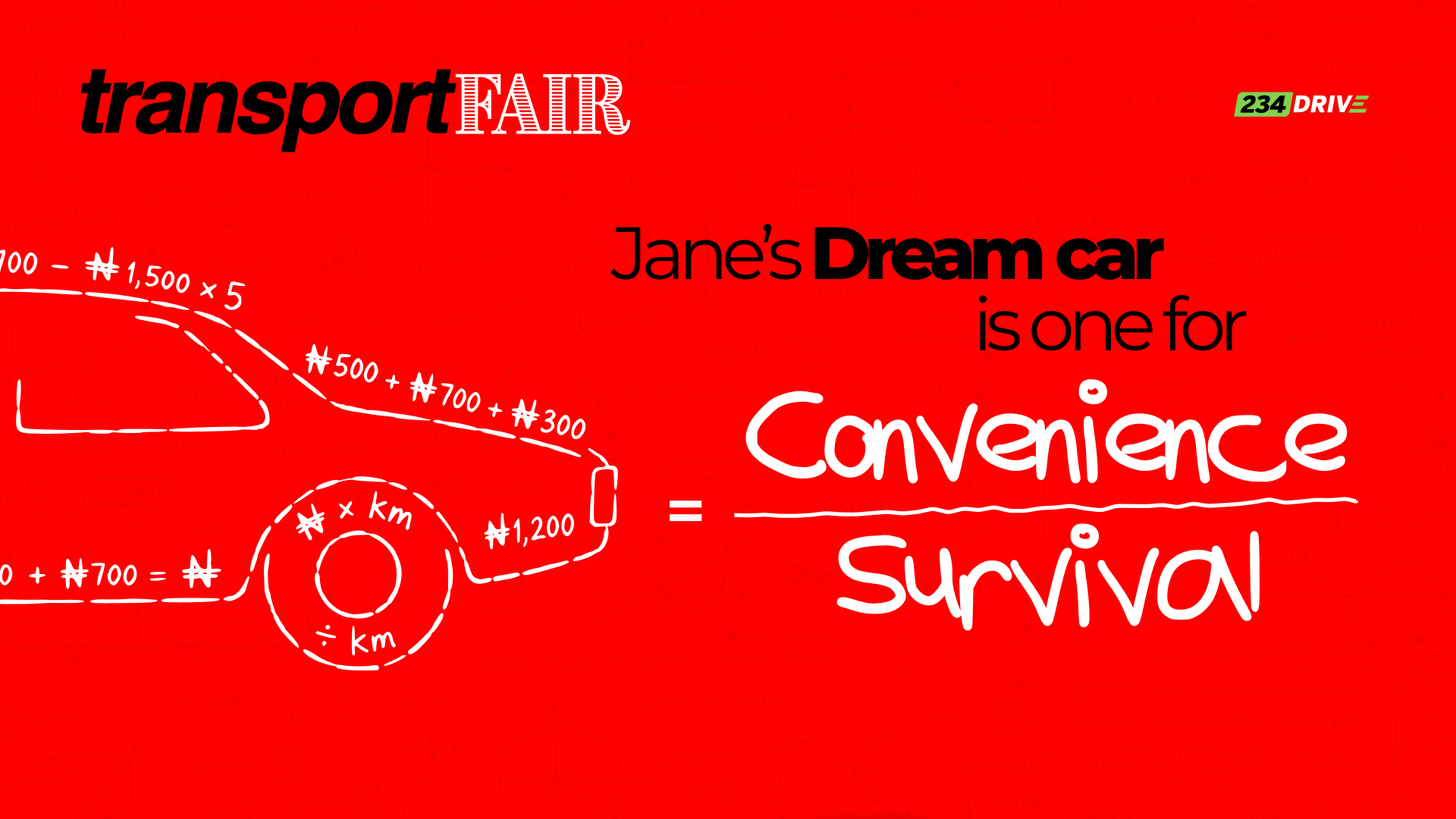
The young banker hopes to buy a car soon, but when asked what kind of car she would like, Jane admits she is not really a car person. For her, the final choice will likely come down to budget and whatever feels right when the time comes.
For now, getting around still means walking, public transport and sometimes following someone when the opportunity comes. Her regular route takes her from Akoka to the Island, with Obalende as one of the major stops along the way.
On a good day, when traffic is not too bad, the journey can take about 50 minutes to one hour. But even then, it is not a trip she enjoys.
Jane’s Route Depends on What is Available the Night Before
Her route to work is not always the same. Some mornings, she joins a colleague or neighbour heading towards the Island during the rush hour period. Other times, she has to use public transport.
When she takes public transport, the journey usually comes in stages. It can start with a keke, then a bus to Obalende, before another connection towards her final stop around Oniru or VI.
For Jane, this is part of planning her day before it even starts. By the night before, she already has an idea of what the next morning will look like.
‘Before I go to bed, I usually know how I’m going to try and get to work the next day,’ she says.
If there is someone she can follow, the trip feels a bit easier. If not, she prepares for the buses and leaves earlier than she would when joining a colleague or neighbour.
Her Work Trip Now Costs Around ₦1,700
Before the Strait of Hormuz conflict, when fuel still sold around ₦840 to ₦900 per litre, Jane said her trip to work could sometimes cost as little as ₦500. On cost-heavier days, it could rise, but it usually stayed within about ₦1,200.
These days, Jane spends around ₦1,700 when she uses public transport. One leg of the trip can cost about ₦800, while another takes around ₦700. That is at least ₦500 extra when she makes the trip by public transport.
Jane might not have said it directly, but many Lagos commuters would recognise her fare increase as part of a wider transport problem. As fuel prices rise, bus drivers adjust their fares, and passengers carry the extra cost.
Recent fuel-price increases have already put more pressure on many Nigerian households. Petrol has sold for around ₦1,364 to ₦1,444 per litre, while annual household fuel spending has been estimated at ₦537,022. Transport inflation has also risen to 16.9%, showing how much movement now weighs on daily life.
That pressure is also showing in how people talk about their income. Daily Post reported that many Nigerians claim they now spend over 80% of their income on transportation because of fuel price hikes. In Jane’s case, …% of her income …
She Does Not Blame Drivers Completely For The Fare Increase
Usually, people are quick to push aside the complete picture brought by economic realities and point an accusing finger at transport workers when fares go up. So when Jane was asked if she felt drivers had raised the fare higher than necessary, she gave a more practical answer.
‘If you think about the fact that the increase in price affects every other aspect of life, I think they reflected it fairly, since that is their major way of earning,’ she says.
For Jane, the fare increase makes sense when you look at the wider rise in living costs. Fuel does not stand alone. Once petrol prices rise, drivers also have to deal with higher maintenance costs, daily expenses and the general cost of living.
So while the new fares are harder on commuters, Jane does not see them as completely unfair. To her, they only reflect the same pressure many people are already feeling across the country.
Jane Is More Stressed By Changing Rides Than Counting Costs
So paying the extra fare is not the biggest stress point for Jane. For her, the harder part is the constant bus hopping.
Her trip can involve a keke, one bus and then another connection before she gets to work. That means the journey does not move in one clean line. She has to get down, find the next vehicle and start a new leg of the trip all over again.
That is why Jane also thinks about getting the best balance at the time. A faster trip would make sense, especially when the usual route already feels tiring. But the price still matters.
She would rather spend less time on the road, but not at any cost. If paying more truly saves time and reduces stress, it may be worth considering. Still, the investment banker said if the fare gets close to what feels unreasonable, the cheaper option starts to gain more appeal to her, even if it means staying longer in traffic.
Distance Now Decides How Often She Sees Friends
Outside work, Jane is less willing to face Lagos traffic unless the trip really feels worth it.
For Jane, it helps that most of the places she goes regularly are close by. Church is close, work is manageable and her daily routine does not always require long movement across the city. But visiting friends is different, especially when they live far away.
In that case, the issue is not really the cost. Jane does not worry too much about how much it would take to visit them. Her bigger concern is the time she would spend on the road.
So when the trip feels too far or too tiring, it’s easier to postpone it or avoid it completely.
Here’s What Jane Would Like To See Changed For The Better
When Jane thinks about what could make transport easier in Lagos, she goes straight to the roads.
The bad parts around the back roads of Obalende and towards Third Mainland Bridge stand out to her because they make an already long trip feel even rougher. When she has to change vehicles and move through busy routes, bad roads only add to the stress.
For Jane, the change she wants is simple: fix the roads. That is the part of Lagos transport she would choose to change first.