
The last three years have brought plenty of change for Annabel. She graduated from the University of Lagos, completed her National Youth Service Corps programme and settled into full-time work as a client service agent at a real estate firm in Ikoyi.
She finished with a Second Class Upper degree in Business Administration and is now trying to find her footing, career-wise. At the same time, like a number of young Nigerians, she needs to support herself financially and, as the first daughter in her family, sometimes her younger sisters too. Although she says supporting them is a personal choice rather than an obligation.
Annabel lives in Bariga and works in Ikoyi. Every workday begins with a strategy designed to give her the best chance of arriving at work without unnecessary delays.
Beating the Third Mainland Bridge Before it Wakes Up
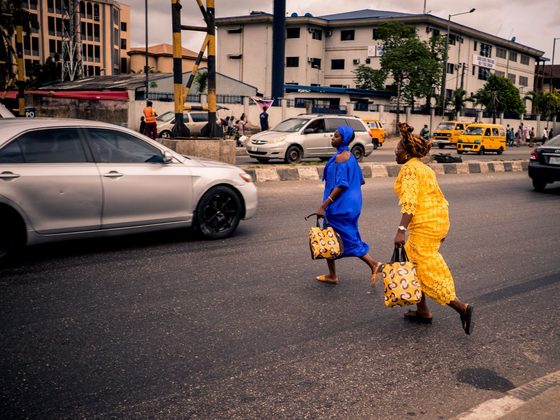
At 5.45 a.m. every weekday morning, Annabel leaves her home in Bariga, making sure she sets out before 6 a.m. so she can board a bus without struggling with the rush.
By that time, buses heading towards the Island are still easy to board and traffic is almost non-existent on the bridge. She walks to the Bariga bus stop from her home and board a direct bus to Ikoyi, then a short walk to her office, paying about ₦1,000 for the entire trip.
Leaving home any time after 6 a.m. makes finding transport more difficult and usually means taking two additional buses before the same short walk to her office. In such cases, the journey can cost as much as ₦1,700 to get to work.
Traffic on the bridge remains the most stressful part of the journey, but leaving before sunrise helps her avoid the worst of it.
Anyone else would describe the whole arrangement as stressful, but Annabel describes herself as an early riser, so adjusting her schedule to maximise that trait felt more comfortable than a few more hours of morning rest and then paying the rush hour rate for transport every day.
In her words, leaving early solves more than one problem.
How a Dead Phone Left Annabel Stranded on the Bridge
Her journey home is usually easier than the trip to work. A colleague who also works at the real estate firm often drops her off at Iyana Oworo after closing hours, leaving her with only the last stretch home to complete on her own.
That routine, however, was interrupted one evening in a way she had never experienced before.
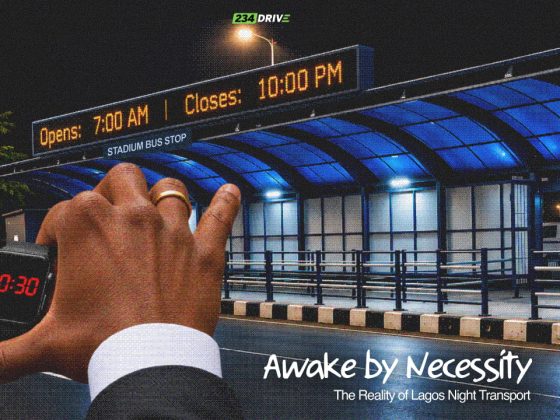
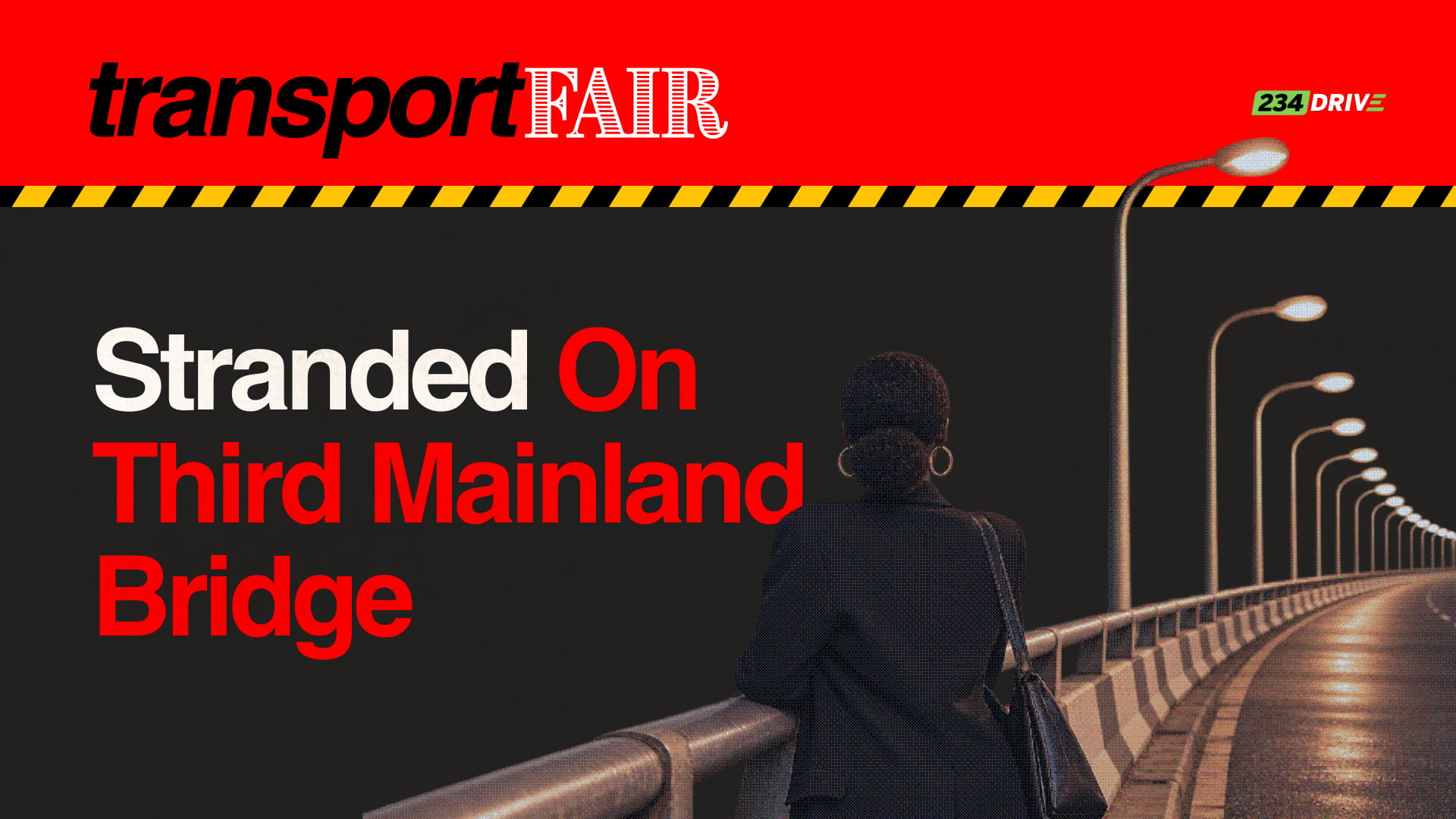
Around 7 p.m., after boarding a bus to Iyana Oworo, the vehicle broke down on the Third Mainland Bridge, shortly after passing the Yaba linkage. At first, the passengers waited, hoping the driver would get the bus running again. Minutes stretched to close to an hour and by about 8.20 p.m., it became clear they would have to find another way off the bridge.
‘Usually, when I am stranded in Lagos at night and alone, I call my father to come pick me up,’ Annabel says, but this time her phone had died along the journey.
As passengers began to leave the stranded bus, everyone searched for their own way out. Some of the men flagged down trucks while others climbed onto the backs of passing public buses. Annabel stayed where she was, unsure of what to do next.
She remembers standing on the bridge as cars sped past and the dark water was behind. According to Annabel, it was one of the scariest experiences she has had on Lagos roads.
Just as panic began to set in, another female passenger noticed she looked lost and began flagging down cars for both of them, saying it was better they moved together as women at night. After a few tries, she stopped a private car and convinced the driver to take them to Iyana Oworo. The experience reminded her how quickly a routine journey can change.
The Morning Annabel Thought About Her Life
If the incident on her way home unsettled her, what happened one morning more recently on the Third Mainland Bridge left a much deeper impression.
The morning began like any other. Annabel left home before dawn, boarded a bus bound for Ikoyi, and settled in for another trip across the Third Mainland Bridge. The driver was moving noticeably slower than the surrounding traffic, with other vehicles overtaking the bus as it made its way across the bridge. Some passengers had begun grumbling about the slow pace when, without warning, the front tyre exploded and the driver struggled to maintain control.
‘It felt like those Hollywood movies where everything is swerving from side to side. Only this time it wasn’t a screen. It was your whole world.’
Annabel said the bus swung from one side of the road to the other as the driver struggled to regain control. Rather than crash into the bridge’s side railings, he steered it into the central divider and brought it to a stop. When she climbed down with the other passengers, she was surprised to see that a woman seated at the back of the bus had slept through the entire incident.
After checking the damage, the driver suggested they continue the journey, this time at a much slower pace until they got off the bridge. Annabel was the first to get back on. She deliberately chose a seat beside one of the widest windows, thinking it would give her a way out if anything went wrong again. The woman beside her jokingly shared the same concern and suggested they leave the window as wide open as possible so they could jump out if they had to.
A few minutes later, the irregular movement of the bus became too much for Annabel to ignore.
‘I told the driver to stop and let me find my own way o’, she revealed. Soon, the other passengers agreed they had seen enough and got off as well.
She called a colleague who used the same route to check if he was already on his way to work before taking any other action, and after a few minutes he was able to pick her up along the way.
‘It made me think about my life. If I had fallen off the bridge, what would have happened? I can swim in a pool, but those currents, being inside a bus too? Na that’s a whole different situation.’
Annabel Spends Nearly 40% of Her Income Just Getting to Work
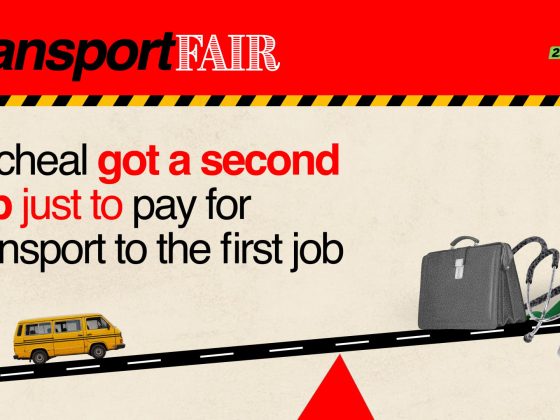
Annabel estimates that transport takes about 30-40% of her current income, almost 12% higher than what the average Nigerian might spend. She points out that she is still on probation at the real estate firm and expects her salary to increase by at least half once she is confirmed.
Until then, she keeps a close watch on what she spends. If given the choice between paying more to save time or spending longer on the road to save money, she thinks about this for a few seconds before answering.
‘I would rather save money,’ she says before quickly adding that traffic remains her biggest concern.
‘Traffic. That’s my main issue with moving on the road. I can go a far distance comfortably and don’t mind spending 3 hours on the move, but going somewhere that is supposed to take less time and spending the same 3 hours? That’s frustrating.’
Outside work, Annabel says she prefers a quiet routine. She spends most of her free time at home and on Sundays, she goes to church with family at Lagos Island whenever their schedules align.
She hopes to own a car within the next year. Asked whether she can afford one herself, she laughs and says no, as though the answer should have been obvious. Pressed further, she adds that her father will most likely buy one for her.
Annabel shared she is not particular about the model. Just having a reliable way to get around matters more to her than the logo on the bonnet.
Until then, her mornings will continue to begin before sunrise, with Bariga bus stop marking the first step in a routine built around beating the traffic.