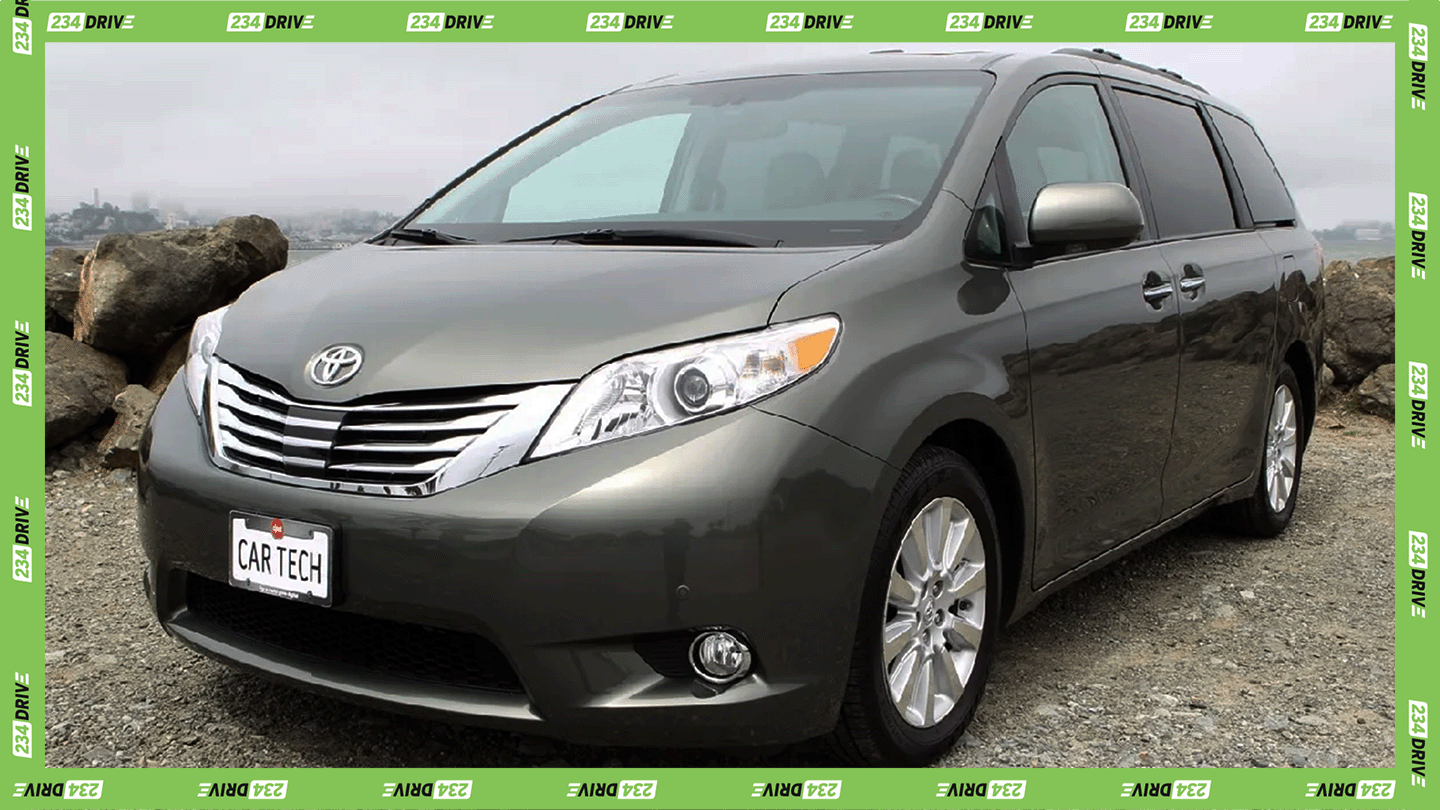

The second-generation Toyota Tacoma, produced from 2005 to 2015, holds an enduring appeal in the Nigerian automotive landscape. Known for its tough frame, reliable mechanics and exceptional versatility, this mid-size pickup truck serves both as a personal vehicle and a commercial workhorse. Whether navigating the chaotic gridlock of Lagos or traversing rough rural terrains, the Tacoma delivers. It effortlessly balances daily passenger logistics with heavy-duty cargo hauling, making it a highly sought-after commodity in the local market.
However, because the third-generation Tacoma boasts a much more aggressive, modern aesthetic, many Nigerian owners choose to facelift their older models. Whether you are looking to purchase a clean used unit, upgrade a 2012 model to look like a 2016 variant, or simply budget for routine upkeep, understanding the real-world financial commitments of owning this truck on Nigerian roads is essential.
The Purchase Price: Acquiring a Tacoma in Nigeria
Acquiring a second-generation Toyota Tacoma requires a clear understanding of the local market dynamics. Prices fluctuate heavily based on the import status of the truck, its structural integrity and how well the previous owner maintained the mechanical components.
For those looking for a freshly imported option, foreign-used units, locally referred to as Tokunbo, command a significant premium. A clean second-generation Tokunbo Tacoma currently ranges between 21,000,000 and 26,000,000 Naira. These vehicles are highly valued because they have not yet been exposed to the punishing wear and tear of local road infrastructure.
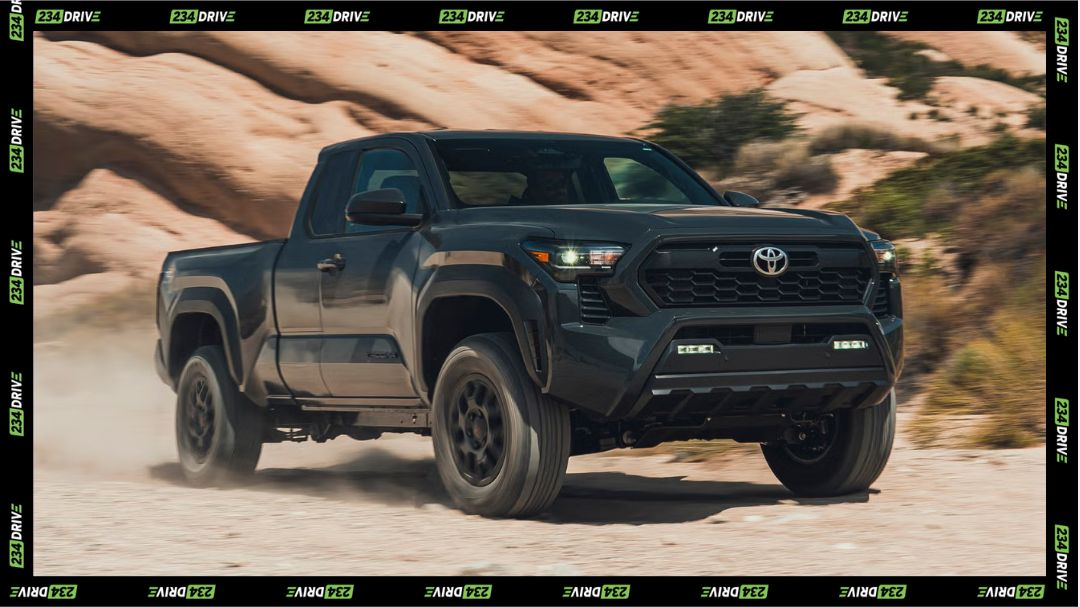
If your budget does not stretch to a fresh import, the local market offers plenty of alternatives. A clean, well-maintained Nigerian-used unit with a documented service history typically costs between 8,000,000 and 12,000,000 Naira. Conversely, units that have suffered cosmetic neglect, suspension damage or require significant mechanical overhauls can be acquired for 6,000,000 to 8,000,000 Naira. While these cheaper options lower the barrier to entry, they often demand immediate, expensive repairs.
The Facelift Project: Transforming a 2012 Model to a 2016 Aesthetic
One of the most popular trends among Tacoma owners in Nigeria is performing a front-end cosmetic facelift. Owners of the late second-generation models, particularly the 2012 to 2015 versions, often upgrade their vehicles to mimic the bold, muscular appearance of the third-generation 2016 model.
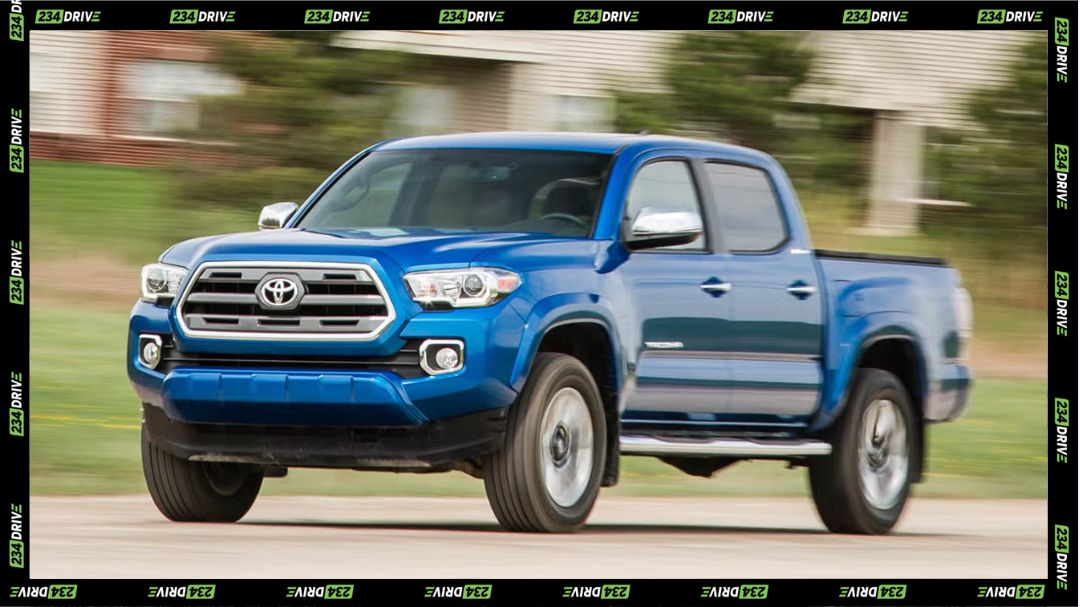
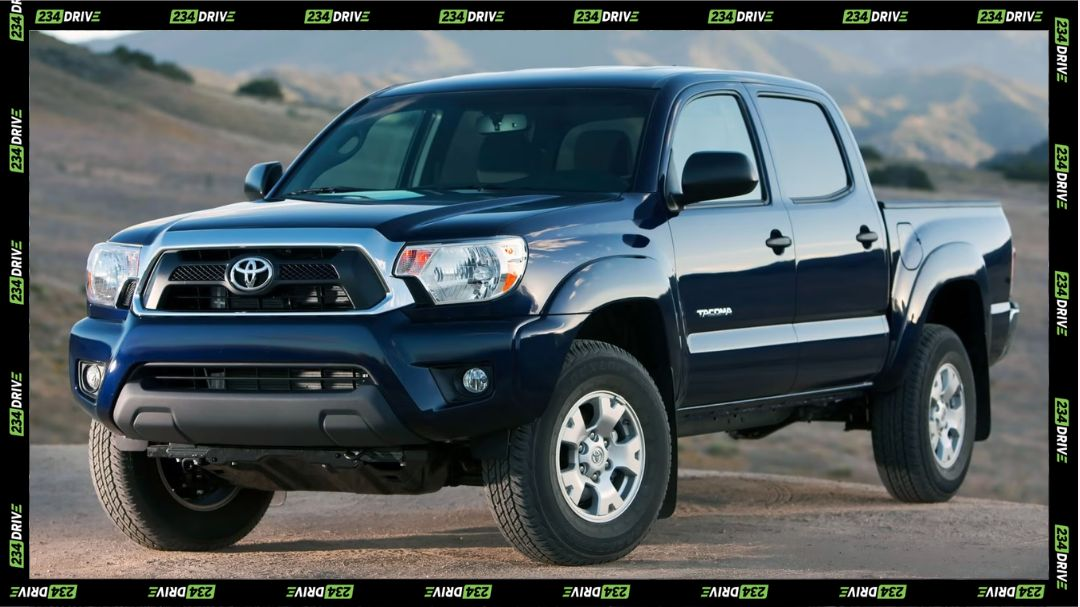
Achieving this look requires replacing several structural body panels, the grille and the lighting assemblies. Below is a breakdown of the standard replacement parts for a 2012 model compared to the specialised components required for a 2016 facelift conversion:
| Body Component | Standard 2012 Replacement Cost (Naira) | Modified / 2016 Facelift Cost (Naira) |
| Headlights (Pair) | 150,000 | 500,000 |
| Grille | 120,000 | 120,000+ (Premium design variants) |
Opting for the modified 2016 headlight assembly represents a massive financial jump, costing more than triple the price of standard halogen replacements. Additionally, navigating tight Nigerian roads requires defensive driving. While standard doors cost 120,000 Naira, replacing a premium main driver or passenger door can cost up to 250,000 Naira.
Maintaining the Undercarriage: Tyres, Braking and Suspension
The chassis of any utility truck takes a brutal beating on uneven Nigerian streets. To maintain safety, structural alignment and carrying capacity, keeping the suspension and braking systems in top-tier condition is non-negotiable.
Tyres are the most frequent replacement item on any vehicle. A single foreign-used tyre costs between 40,000 and 50,000 Naira. While these are popular budget options, they lack guaranteed lifespans and safety profiles. Purchasing brand-new, premium tyres is highly recommended for wet-weather traction and heavy hauling, costing approximately 120,000 Naira per tyre.
When it comes to the braking system, safety is paramount. A complete set of quality front brake pads averages 25,000 Naira. If you ignore worn pads for too long, they will warp your brake discs. Replacing a damaged pair of front brake discs costs roughly 70,000 Naira.
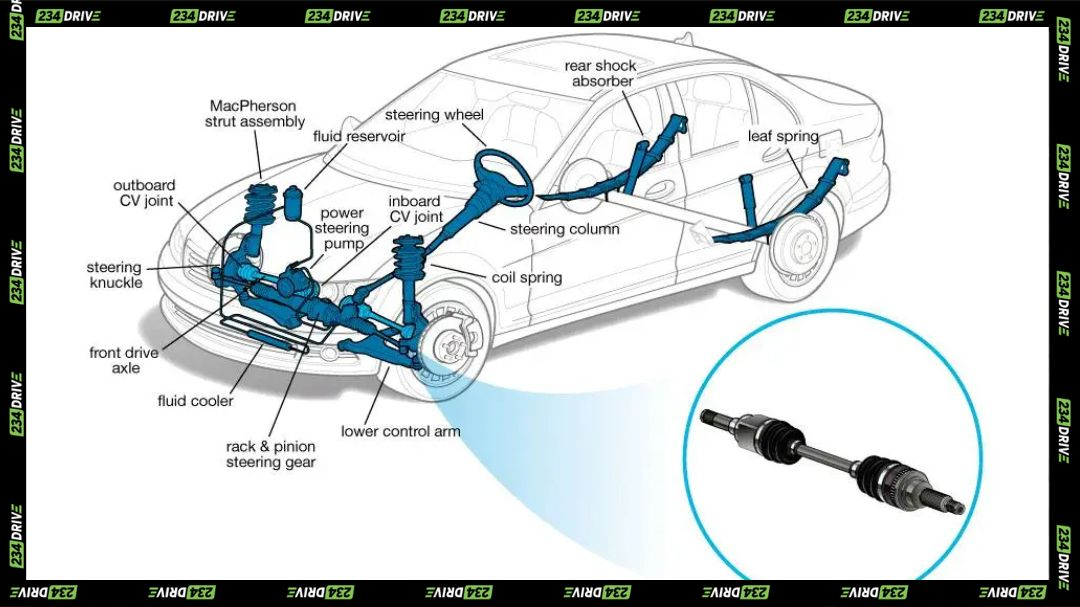
The suspension setup is equally critical. A replacement pair of front suspension components costs 65,000 Naira, while the rear leaf-spring suspension components are slightly cheaper, coming in at around 40,000 Naira per pair.
Engine Health, Cooling and Mechanical Lifelines
The second-generation Tacoma is famous for its powertrain options. Most units in the Nigerian market feature either the ultra-reliable 2.7-litre inline-four engine, designated as the 2TR-FE, or the larger, more powerful 4.0-litre V6 engine, known as the 1GR-FE.
While these engines are legendary for their durability, neglecting their maintenance can lead to catastrophic failure. Sourcing a complete replacement engine in major spare parts hubs, such as Ladipo in Lagos or Owode Onirin, is a capital-intensive project that will set you back approximately 4,500,000 Naira.
Preventative care is the only way to avoid this massive expense. A routine engine service using high-grade, premium synthetic oil costs roughly 90,000 Naira. Genuine oil filters to protect the internal engine components range between 6,000 and 10,000 Naira.
To combat intense tropical temperatures and prevent overheating, the cooling system must function perfectly. A replacement radiator costs about 120,000 Naira. Sourcing a new air conditioning compressor to ensure cabin comfort in the heat costs 200,000 Naira.
Critical safety electronics and brake-assist systems are also expensive to replace if they fail. A replacement hydraulic brake booster costs 65,000 Naira, while a new Anti-lock Braking System modulator unit, commonly called the ABS machine, costs 200,000 Naira.
Cab Utility and Seating Capacity
Beyond the mechanical specifications, the Tacoma remains incredibly popular due to its brilliant balance of utility. The truck features a massive cargo bed that allows owners to transport agricultural produce, construction materials or logistics shipments with ease.
Furthermore, the double-cab configuration offers rear seating that accommodates up to three passengers. While the legroom in the second-generation rear cabin is slightly cramped compared to a full-size SUV, it remains perfectly adequate for everyday commuting and short city trips.
Is the Tacoma Expensive to Maintain?
Ultimately, the Tacoma is not an overly expensive truck to maintain. Although genuine Toyota replacement parts are not cheap, they are highly accessible, easily diagnosed by local mechanics and exceptionally durable.
Unlike many complex European luxury vehicles, the Tacoma relies on simple, robust electrical architectures. When maintained with high-quality fluids and authentic parts, these trucks routinely run with clean dashboards, completely free of warning lights. If you need a durable vehicle that balances passenger comfort with heavy-duty capability, the second-generation Tacoma remains one of the smartest investments on Nigerian roads.