
For decades, the phrase ‘Direct Belgium’ has held a sacred status in the Nigerian automotive market. It represents a promise of durability, clean maintenance and structured European logistics that everyday Nigerians trust when buying a tokunbo vehicle. But moving a vehicle from the historic terminals of Antwerp to the busy ports of Lagos is no longer a simple matter of paying a shipper and waiting. With the Federal Government’s sweeping April 2026 tariff changes and automated customs systems, knowing how to import cars from Belgium to Nigeria requires a clear, step-by-step roadmap to avoid costly mistakes.
This guide breaks down the sourcing networks, shipping practicalities and the modern customs clearances you must navigate to land your vehicle safely from Europe.
Sourcing Your Vehicle in Belgium
Belgium is the automotive transit engine of Western Europe. Its geographic location and robust corporate leasing market make it a goldmine for well-maintained, low-mileage European and Japanese models. Unlike the United States (US) market, which is heavily dominated by salvage titles from major auction houses, Belgian vehicles are usually operational, roadworthy fleet assets.
Major Auction Platforms
Professional buyers and first-time importers rely on several primary channels:
- eCarsTrade: A Belgium-based online auction platform that specialises in ex-lease vehicles from Belgium, France, Germany and the Netherlands. They offer both fixed-price and open bidding options with detailed service histories.
- BCA Belgium: Part of Europe’s largest vehicle remarketing group, offering structured professional inspections and transparent condition reports.
- Specialised Exporters: Firms operating out of Brussels and Antwerp such as Transautomobile and Autoredo—specialise in tax-free vehicle exports directly to West African markets.
When sourcing, look for ex-lease vehicles that come with a complete maintenance log. These vehicles have spent their lives on smooth European motorways, meaning their suspension and engine components suffer far less wear than vehicles driven locally.
The Sourcing Checklist: Age Limits and Port Scrutiny
Before you place a bid or transfer any funds, you must verify that the vehicle is legally eligible for entry into Nigeria. The Nigeria Customs Service (NCS) enforces strict age restrictions on all imported used vehicles, and getting this wrong means immediate seizure at the port.
In 2026, the calculations are simple. Under the official 12-year age limit, a 2014 model is the absolute oldest car you can legally import to Nigeria. However, if your ship berths at specific Lagos terminals such as Tin Can Island; customs commands frequently enforce a stricter 10-year limit. This means any vehicle manufactured before 2016 risks being flagged, impounded or hit with punitive valuations.
Always run the Vehicle Identification Number (VIN) through an online decoder to confirm the exact year of manufacture. Do not rely on the date of first registration listed on the European registration certificate, as these dates often differ.
Sourcing and Pre-Export Documentation
To clear Belgian customs and prepare the car for ocean freight, you must gather a specific set of transit documents. Reputable exporters will handle this paperwork on your behalf, but you must ensure every document is present and accurate:
- Commercial Invoice: A detailed bill of sale showing the purchase price, seller details, buyer details and the vehicle’s technical specs.
- Belgian Registration Certificate: Locally known as the ‘grey card’ or ‘pink card’, which proves previous ownership and registration status.
- Export Declaration (EX-A): A customs document validated by Belgian authorities confirming that the car is leaving the European Union (EU) on a tax-free basis.
- Transit Plates (X-Plates): If you plan to drive the vehicle to the port of exit rather than transporting it on a car hauler, you must obtain these temporary export plates, which remain valid for 30 days.
Before the vessel departs from Antwerp, importers must prepare the correct Nigerian import documentation to satisfy the administrative entry requirements on the Nigerian side, including initial import registration.
Shipping Your Car: Antwerp to Lagos
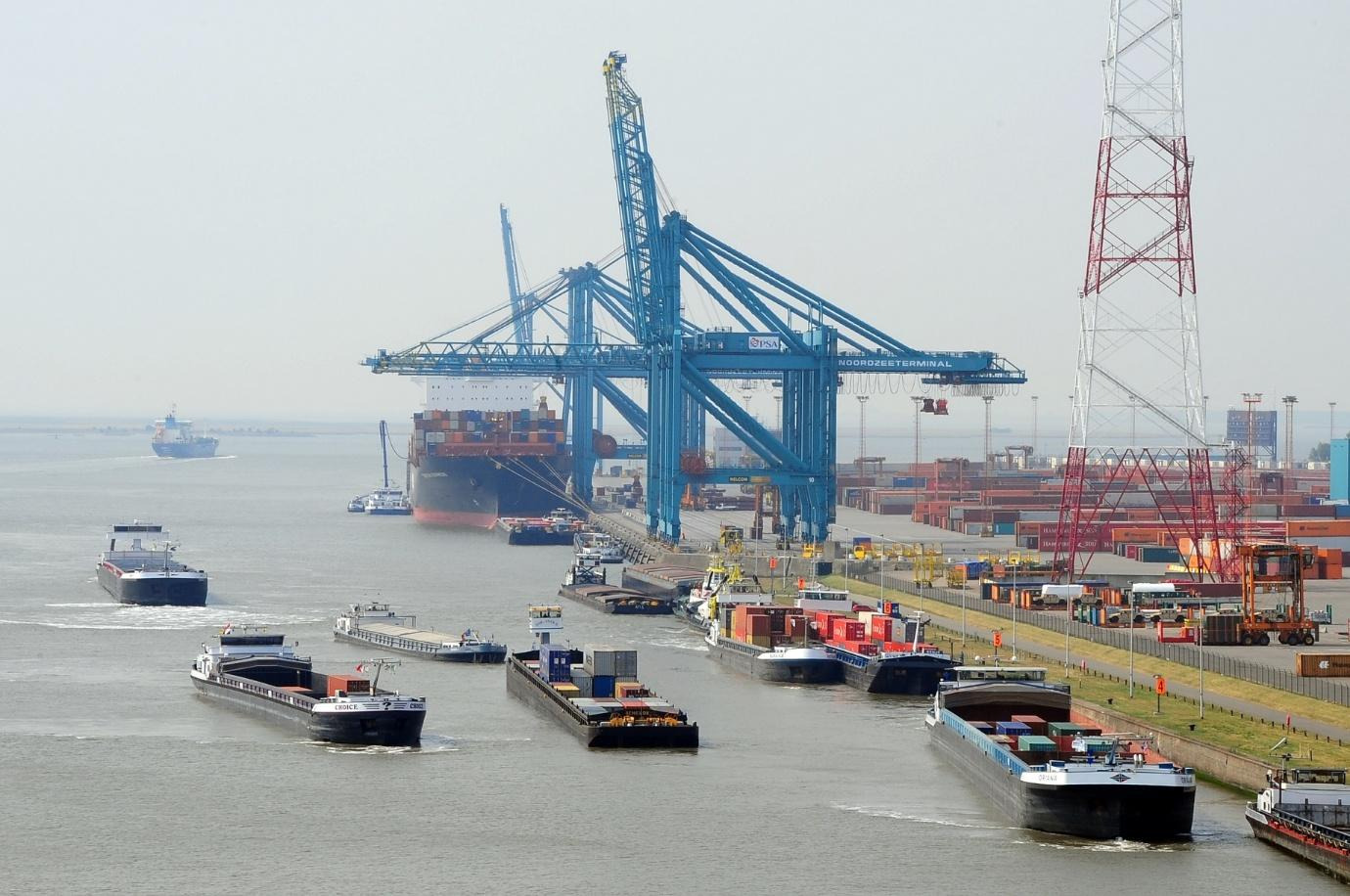
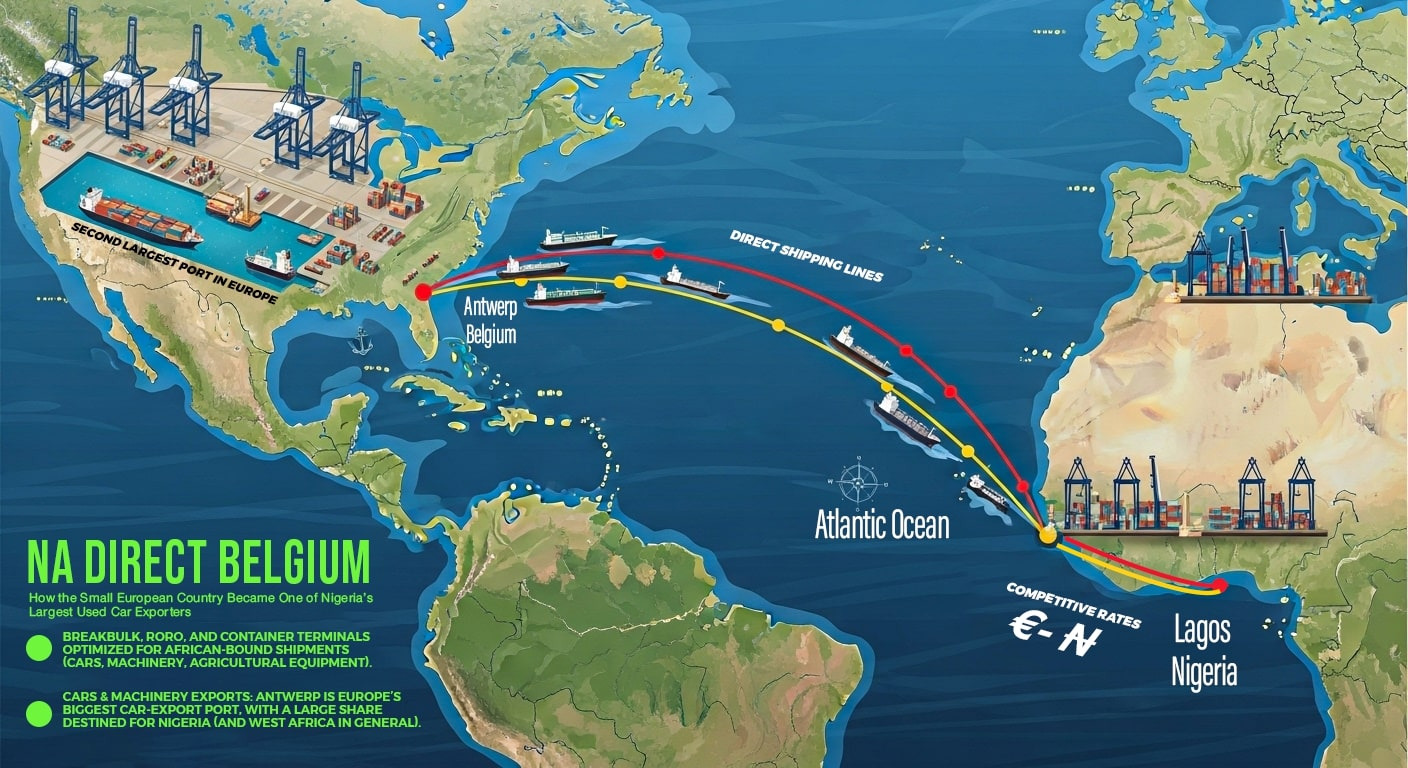
Belgium features some of the finest maritime infrastructure in the world. The Port of Antwerp is the primary gateway for West African vehicle exports, hosting regular roll-on/roll-off (RoRo) and container departures.
| Shipping Option | Ideal For | Cost Range | Transit Window | Key Advantage |
| RoRo Shipping | Standard, operational vehicles | $1,150 – $1,650 | 20 – 25 days | Most economical logistics option |
| Container Shipping | High-value, luxury or non-runners | $3,500+ | 20 – 25 days | Complete safety and cargo protection |
RoRo vs. Container Shipping
For most importers, RoRo is the default choice. Vehicles are driven directly onto the vessel’s decks at Antwerp or Zeebrugge and driven off at the Lagos ports. It is the fastest, most economic
Container shipping is far more expensive but offers complete isolation and security. Choose a container if you are shipping a premium luxury model, or if you intend to pack the vehicle’s interior with spare parts and personal goods, a practice strictly forbidden on RoRo vessels.
Transit times from Antwerp to Tin Can Island or Apapa average 20 to 25 days. You should budget for baseline ocean freight costs ranging between $1,150 and $1,650 on a standard sedan or mid-sized Sport Utility Vehicle (SUV).
The 2026 Nigerian Tariff Revolution and Clearing
The economics of vehicle importation in Nigeria changed dramatically on 1 April 2026, when former finance minister Wale Edun signed the newly approved 2026 Fiscal Policy Measures (FPM). Under this revised framework, the Federal Government delivered a massive tariff cut to stimulate economic growth and reduce transport costs.
Previously, importers paid a combined 35% duty and a 35% levy, resulting in a staggering 70% tariff burden. Under the new 2026 measures, the total effective tariff on fully-built passenger vehicles has dropped to 40%. This consists of a 20% import duty and a 15% National Automotive Council (NAC) levy.
For example, if customs values your imported vehicle at ₦10 million, your tariff obligation drops from ₦7 million under the old regime to ₦4 million under the 2026 rules—a direct savings of ₦3 million.
The Green Tax Surcharge
Importers must also prepare for the new green tax surcharge taking effect on 1 July 2026. This environmental levy targets vehicles with larger internal combustion engines:
- Engines from 2,000cc to 3,999cc: 2% surcharge on the import value.
- Engines of 4,000cc and above: 4% surcharge.
- Exemptions: Vehicles with engine sizes below 2,000cc, electric vehicles (EVs) and mass transit buses are completely exempt.
The Clearing Process in Lagos
When the vessel arrives in Lagos, you must work with a licensed customs broker to navigate the clearing process. The process relies on three critical steps:
- Vehicle Registry (VREG) Certificate: Before customs can assess any duty, you must register the vehicle on the national VREG portal using its VIN. This platform tracks all imported vehicles to curb smuggling and vehicle theft.
- Automated VIN Valuation: The NCS uses an automated database to assign a fixed customs value to your car based on its make, model and manufacturing year. Do not expect customs to calculate duties based on your actual Belgian purchase price; they will use their standard system values.
- Local Charges and VAT: In addition to the 40% combined duty, you must pay a 7.5% Value Added Tax (VAT), a 7% port surcharge, administrative clearing agent fees and terminal handling charges.
These local port fees impact the total landed cost significantly, typically adding another $1,500 to your budget beyond the standard ocean freight. To understand how these cumulative taxes interact with local registration expenses, read our deep dive on clearing vehicles at Lagos ports to avoid terminal demurrage.
Sourcing Market Shootout: Belgium vs. Germany vs. the US
When planning your import, comparing Belgium against alternative international markets ensures you get the best value for your capital.
| Sourcing Market | Shipping Cost (Lagos) | Average Transit Time |
| Belgium | $1,150 – $1,650 | 20 – 25 days |
| Germany | $1,200 – $1,800 | 22 – 28 days |
| United States | $1,500 – $3,500 | 35 – 45 days |
Sourcing from Germany
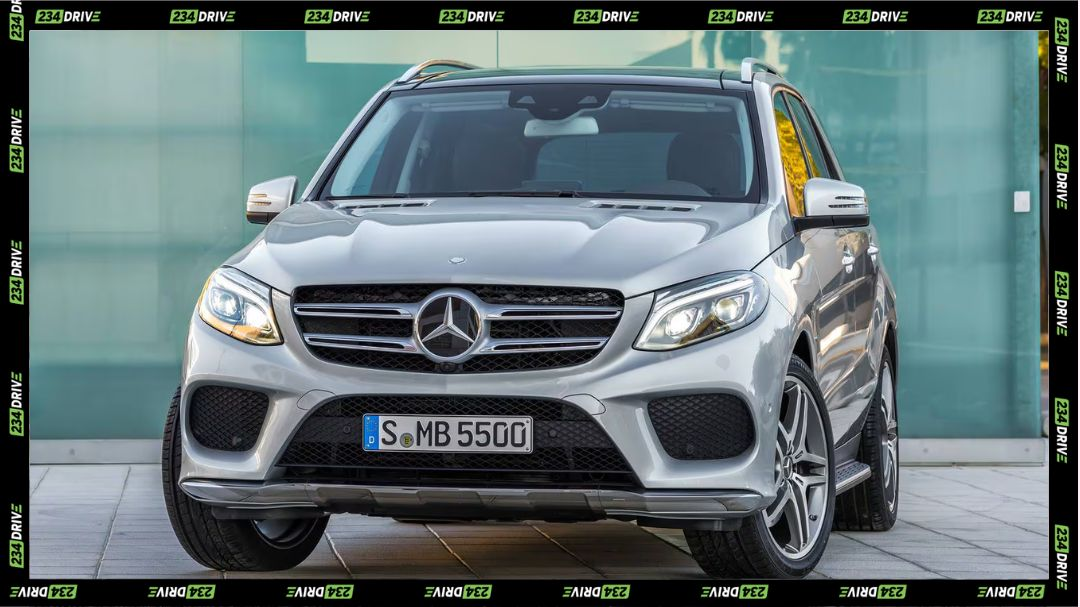
Germany offers the largest vehicle inventory in Europe, particularly for premium brands like Mercedes-Benz and Volkswagen. Sourcing from Germany means accessing impeccably maintained cars. However, shipping logistics can be more complex. Unless you export directly from northern German ports like Bremerhaven, you will likely face high inland transportation costs to move the car from southern dealerships to a shipping terminal.
Sourcing from the US
The US market is the largest source of tokunbo cars in Nigeria due to the sheer volume of cheap inventory at salvage auctions. However, the logistics are heavy. Shipping from the US east coast takes 35 to 45 days and costs significantly more than shipping from Europe. Additionally, US-spec vehicles are frequently salvaged or collision-damaged, requiring extensive local bodywork before they can hit Nigerian roads.
Sourcing from Belgium
Belgium remains the gold standard for efficiency. Sourcing directly from auction houses near Antwerp minimises inland transport fees, provides immediate access to RoRo vessels and delivers a reliable stream of left-hand drive (LHD) European-spec vehicles. The transit time is nearly half that of shipping from North America, allowing you to turn over your import capital much faster.
The Golden Rules for a Successful Import
Importing a car is a capital-intensive project. Before committing funds, review a comprehensive car importation guide to understand the baseline steps. To protect your investment, always adhere to these operational safety measures:
- Avoid Salvage Titles on RoRo: Shipping lines will refuse to load non-running or heavily damaged vehicles onto RoRo decks. If you buy a damaged vehicle, you must pay for expensive container shipping.
- Engage a Verified clearing Agent: Never transfer clearing funds to an unverified agent. Work with registered, corporate customs brokers who operate from recognised offices at Apapa or Tin Can Island.
- Calculate Landed Cost First: Always add the purchase price, ocean freight, 40% combined custom tariffs, local clearing fees and registration costs together before making your initial wire transfer. If the total landed cost exceeds the local market value of a similar vehicle in Lagos, the import is not economically viable.
By following this structured approach, you can leverage Belgium’s logistics efficiency to land a clean, durable vehicle on Nigerian roads while fully capitalising on the country’s new, importer-friendly tariff regime.