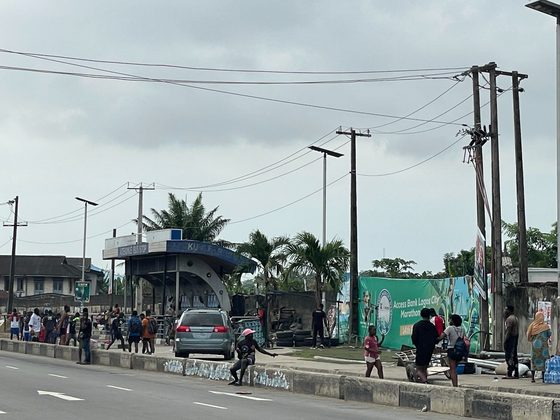

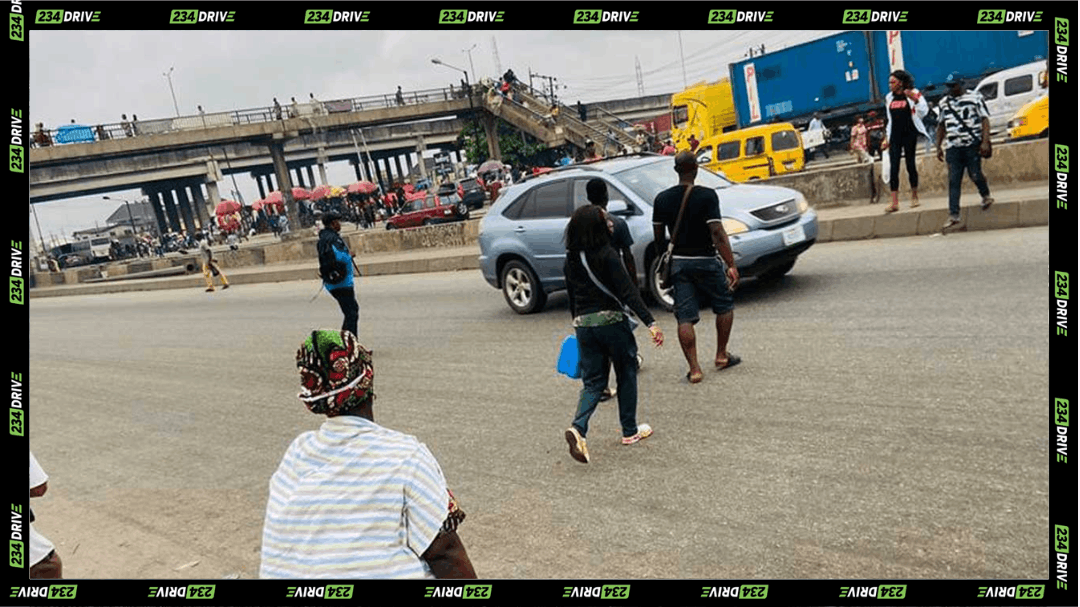
Pedestrians in Lagos still cross busy expressways instead of using pedestrian bridges, even as state officials arrest and prosecute offenders. The problem remains visible around Airport Road, Oshodi, Mile 2, Toyota and Iyana Ipaja, where commuters continue to weigh safety against time, distance and convenience.
Some say the bridges take too long to use or sit too far from bus stops. Others avoid them because of security concerns or difficult access. Experts say the pattern shows the need for better planning, safer bridges and stronger public awareness.
Why Lagos Pedestrians Still Avoid Bridges
Officials of the Lagos State Environmental Sanitation Corps (LAGESC) say they have not stopped enforcing the rule against unsafe highway crossing. Lukman Ajayi, Head of Public Affairs and Advocacy Unit at LAGESC, said offenders are regularly arrested and charged to court. He added that the agency also carries out public awareness and engages stakeholders to encourage safer use of pedestrian bridges.
But for many commuters, convenience still drives the decision. Some say crossing the road feels faster than climbing a bridge, coming down again and walking back to where they need to be. Others say the distance between some bridges and bus stops makes them less useful, especially for people carrying loads, elderly pedestrians and those with mobility challenges.
Security also affects usage. Some commuters avoid certain bridges at night because they fear robbery or harassment. There are also reports that some of these criminal elements leave the bridges when enforcement officers arrive, only to return after the officers leave.
In some places, poor access adds to the problem. Parts of Mile 2 and Toyota lack pedestrian bridges in key spots, while commuters around Isolo, Cele and Mile 2 sometimes use planks, stones or gaps between moving vehicles to cross.
Many bridges still fail to match how pedestrians actually move, with some built where space exists rather than where people naturally cross. Poor placement, steep steps, safety fears and long-standing road-crossing habits could keep the problem going without better infrastructure and steady public education.