
During the peak of the rainy season, a single misjudgement on a flooded road in Lagos or Abuja can instantly wipe out a vehicle’s entire residual value. Flood-damaged car repairs in Nigeria now range from relatively manageable expenses for minor water ingress to catastrophic financial burdens that reach into the millions of Naira. For older vehicles or mid-range cars, the repair bill frequently exceeds the cost of purchasing a direct replacement.
Fixing a flooded car is no longer just a mechanical inconvenience. Driven by severe inflation, foreign exchange volatility and the scarcity of imported parts, water damage is an economic crisis for Nigerian vehicle owners. The reality is stark: while international estimates for major flood repairs might hover around $5,000 to $10,000, the translation into Naira amid current economic realities makes full restoration an uneconomical choice for most everyday Nigerians.
Understanding the true cost requires breaking down exactly what water does to a modern vehicle, the unique hazards of Nigerian floodwaters and the brutal economics of sourcing replacement parts today.
The Variables That Determine Your Repair Bill
Not all flood damage is equal. The final repair cost depends heavily on a combination of water depth, duration of exposure and the specific make of the vehicle.
Water that rises only to the floorboards might require extensive interior stripping and drying. However, water that fully submerges the vehicle or reaches the engine intake spells immediate mechanical death. Furthermore, prolonged exposure over hours or days leads to irreversible corrosion and deep contamination.
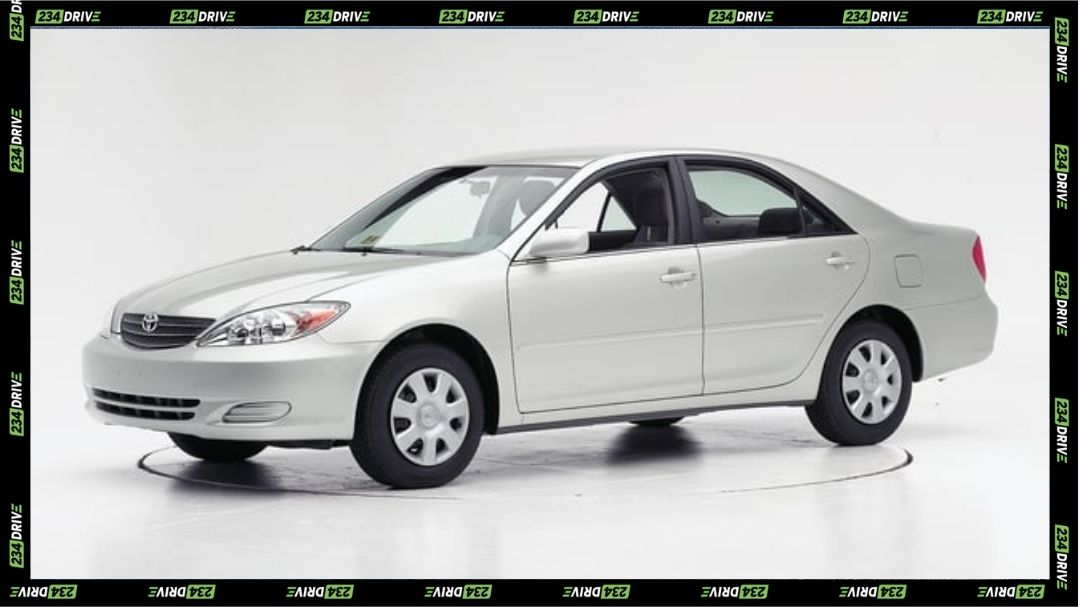
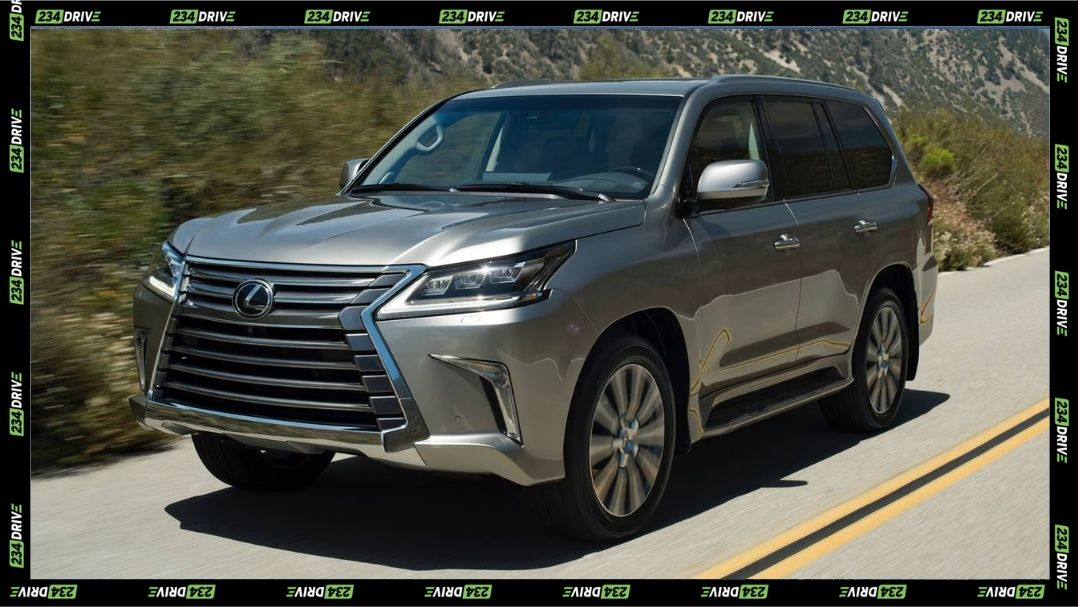
Vehicle type plays a massive role in survivability. Ubiquitous models like the Toyota Camry or Corolla are arguably easier and cheaper to repair due to the vast availability of spare parts and widespread mechanic familiarity. Conversely, luxury SUVs or newer vehicles laden with complex electronic control units (ECUs) are far more expensive to revive.
Finally, the composition of the water matters. Nigerian floodwater is rarely clean rain. In coastal areas like the Lekki peninsula, it is a highly corrosive mixture of salt, sewage, dirt and chemical runoff. This toxic blend aggressively accelerates rust in electrical systems, wheel bearings and engine blocks.
The Engine and Drivetrain Crisis
The most expensive failure point in any flooded vehicle is the engine. When a driver attempts to push through deep water, the engine intake can vacuum water directly into the combustion chambers. Because water cannot be compressed, the pistons slam into a solid wall of liquid. This phenomenon, known as hydro-lock, instantly bends connecting rods, shatters pistons and effectively destroys the engine block.
If your car stalls in deep water, you must not attempt to restart it. The immediate fix involves towing the vehicle to high ground—a service that currently costs between ₦20,000 and ₦95,000 depending on the distance and severity of the flood scenario. Mechanics must then drain all fluids, remove the spark plugs, crank the engine to expel trapped water and flush the oil and fuel systems.
When an engine is hydro-locked or severely contaminated, replacement is usually the only viable option. Today, the cost of sourcing a used, imported replacement engine ranges from ₦1.8 million to well over ₦2.5 million. Even lesser drivetrain damage requires complete fluid flushes and poses a high risk of catastrophic failure months down the line.
Electrical Systems and the Permanent Gremlins
Modern vehicles are essentially rolling computers. When highly corrosive floodwater infiltrates the cabin and engine bay, it immediately attacks wiring harnesses, sensors, infotainment modules and lighting systems.
Water acts as a bridge for short circuits, instantly frying sensitive components. Even if the modules survive the initial submersion, the moisture left behind begins a rapid oxidation process. Connectors corrode, turning green and brittle, which disrupts the precise voltage signals required for the car to operate.
Repairing this damage is a painstaking, high-skill process. Technicians must dry the entire electrical system thoroughly, clean hundreds of individual pin connectors and replace completely dead modules. This electrical restoration easily adds hundreds of thousands to millions of Naira to a mechanic’s bill. One vehicle owner recently reported facing a ₦465,000 mechanic bill after a Lekki flood, an amount that likely only covered interior drying and basic electrical triage rather than a full engine replacement.
Worse still, flood-damaged electrical systems are notorious for developing ‘gremlins’—intermittent faults that cause airbags to fail, ABS systems to trigger randomly or vehicles to suddenly lose power on the highway. No amount of money guarantees a permanent fix.
Interior Rot and Undercarriage Contamination
The damage extends far beyond the engine bay. When water breaches the doors, it soaks the carpets, seat foam and headliner. In the Nigerian heat, a damp car interior becomes a rapid breeding ground for toxic mould and unbearable odours.
Proper remediation requires stripping the interior to the bare metal. Seats must be unbolted and disassembled. Carpets and sound-deadening padding must be thrown away and replaced. The bare floor pans must be treated to prevent rust before reassembly. This labour-intensive process is costly and skipping it guarantees a vehicle that smells like raw sewage every time the doors are opened.
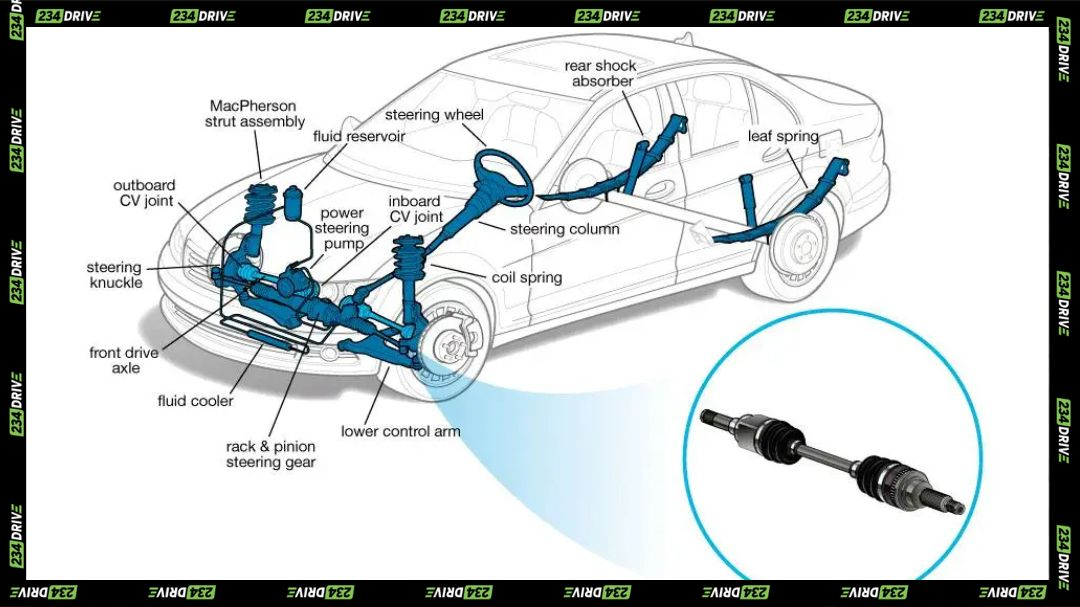
Beneath the car, the undercarriage suffers silently. Floodwater washes away the heavy grease inside wheel bearings, suspension joints and brake callipers. Dirt and grit replace the lubrication, causing parts to seize and grind. Flushing the brake lines, cleaning and repacking bearings and inspecting the driveline are mandatory steps that will typically cost hundreds of thousands of Naira in labour and parts.
Insurance Realities and Market Warnings
For urban professionals navigating the infrastructure deficit of major Nigerian cities, comprehensive insurance with a specific ‘special perils’ clause or flood rider is non-negotiable. Basic third-party insurance provides zero protection against natural disasters.
However, filing a claim is not a guaranteed windfall. Insurance companies conduct rigorous assessments and payouts are strictly limited to the insured value of the vehicle. Given the current cost of parts, many assessors will simply declare a flooded car a total loss. When payouts fall short of replacement costs, vehicle owners are forced to pay the difference out of pocket.
This dynamic creates a dangerous secondary market. Thousands of these written-off or poorly repaired vehicles are cleaned up and sold to unsuspecting buyers. They are common
‘cheap’ buys but represent immense financial risk. When buying a used vehicle shortly after the rainy season, buyers must insist on a rigorous pre-purchase inspection. Warning signs include musty smells disguised by heavy air fresheners, rust on bare metal seat brackets under the dashboard, mismatched upholstery panels and erratic electrical glitches during a test drive.
The Verdict on Restoration
Recurrent flooding in urban centres ensures that water damage remains a seasonal threat tied directly to poor drainage infrastructure. While specialist restoration shops exist in Lagos and Abuja, success is never guaranteed for the long term.
The economic context of high inflation and currency volatility amplifies the cost of every single replacement part. Ultimately, attempting to repair a heavily flooded car is a gamble where the odds are heavily stacked against the owner. Even ‘fixed’ cars suffer from hidden corrosion, compromised safety systems and permanently reduced resale value. In many cases, the most financially sound decision an owner can make is to accept the loss, sell the vehicle as salvage for parts and walk away.