
Stand at the edge of a closed asphalt perimeter in Abuja on a Saturday afternoon and the sensory assault is immediate. The air is thick with the acrid smell of vaporised rubber, the mechanical scream of a redlining inline-six engine and the visceral roar of a crowd. A modified rear-wheel-drive saloon car approaches a tight corner at 80 kilometres per hour, pitches violently sideways and seemingly glides through the apex in a sustained, smoke-billowing slide. To the uninitiated, it looks like a catastrophic loss of control. To the driver behind the wheel, it is a masterclass in physics.
For decades, aggressive driving on Nigerian streets was largely categorised under the broad umbrella of reckless behaviour. However, in recent years, a distinct and highly technical motorsport has carved out its own space within the country’s automotive subculture. Car drifting in Nigeria has evolved from a misunderstood street nuisance into a structured discipline that demands respect, serious capital and a dedicated legal infrastructure.
This is not about simply spinning tyres in a muddy lot. This is the 234Drive guide to understanding the mechanics, the machines and the pioneers shaping the art of the drift in Nigeria.
The Physics of the Slide
To understand drifting, one must unlearn the primary objective of everyday driving. In normal commuting, the goal is total traction. In drifting, the driver intentionally breaks the traction of the rear wheels to induce oversteer while using precise steering and throttle inputs to maintain control of the resulting slide.
It is a delicate balancing act built entirely on the concept of weight transfer. When a driver approaches a corner and abruptly applies the brakes, the vehicle’s weight shifts forward, compressing the front suspension and unloading the rear. This momentarily reduces the grip circle of the rear tyres. By applying aggressive throttle at this precise moment, the driver overwhelms the remaining lateral grip, forcing the rear of the car to step out.
From that point, the driver must immediately countersteer—turning the front wheels in the opposite direction of the corner—while modulating the throttle to sustain the drift angle. Too much power and the car spins out. Too little power and the tyres regain grip, violently snapping the car back into a straight line.
For those looking to move beyond theory, understanding the core mechanics of how to drift requires studying telemetry, suspension geometry and hours of low-speed practice. It is a violent ballet that demands absolute synergy between man and machine.
Core Initiation Techniques
Mastering the drift requires learning how to initiate the slide. Professional drivers and dedicated amateurs rely on several core techniques, often combining them depending on the corner’s entry speed and the vehicle’s power output.
The most common entry for beginners is the handbrake turn. The driver steers sharply into the corner while simultaneously depressing the clutch and yanking the hydraulic handbrake to lock the rear wheels. Once the slide begins, they release the handbrake, dump the clutch and apply throttle. It is a forceful and effective method for initiating a drift at lower speeds.
For vehicles with significant horsepower, the power-over is the preferred method. The driver turns the steering wheel into the corner and simply applies a heavy dose of throttle. The sheer rotational force of the engine overwhelms the rear tyres, initiating the slide entirely through brute force.
Conversely, the clutch kick is essential for lower-power cars. Mid-corner, the driver abruptly kicks and releases the clutch pedal while keeping the accelerator pinned. This sends a sudden shockwave of torque through the drivetrain, breaking rear traction without needing immense engine power.
More advanced drivers use the Scandinavian flick—a rally technique where the driver briefly steers away from the corner before snapping the wheel aggressively toward the apex. This weaponises the car’s own pendulum momentum to throw the rear end wide. Mastering these moves requires a solid grasp of the basic principles of drifting before ever attempting them on tarmac.
The Hardware: Choosing the Right Machine
You cannot drift a front-wheel-drive vehicle. While a skilled driver can induce lift-off oversteer to make a front-wheel-drive car slide briefly, it is impossible to sustain a powered drift because the front wheels are responsible for both steering and propulsion.
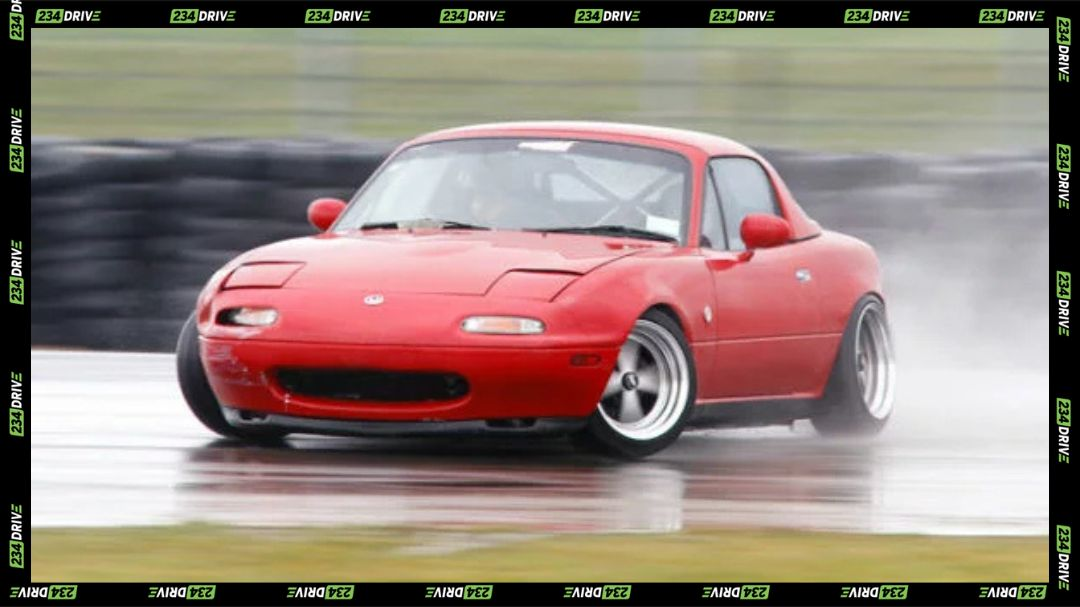
Proper drifting requires a rear-wheel-drive (RWD) layout. In Japan, where the sport originated in the mountains during the 1980s, chassis like the Nissan Silvia, Mazda RX-7 and Toyota AE86 are legendary. In Nigeria, the economics of importation dictate a different reality.
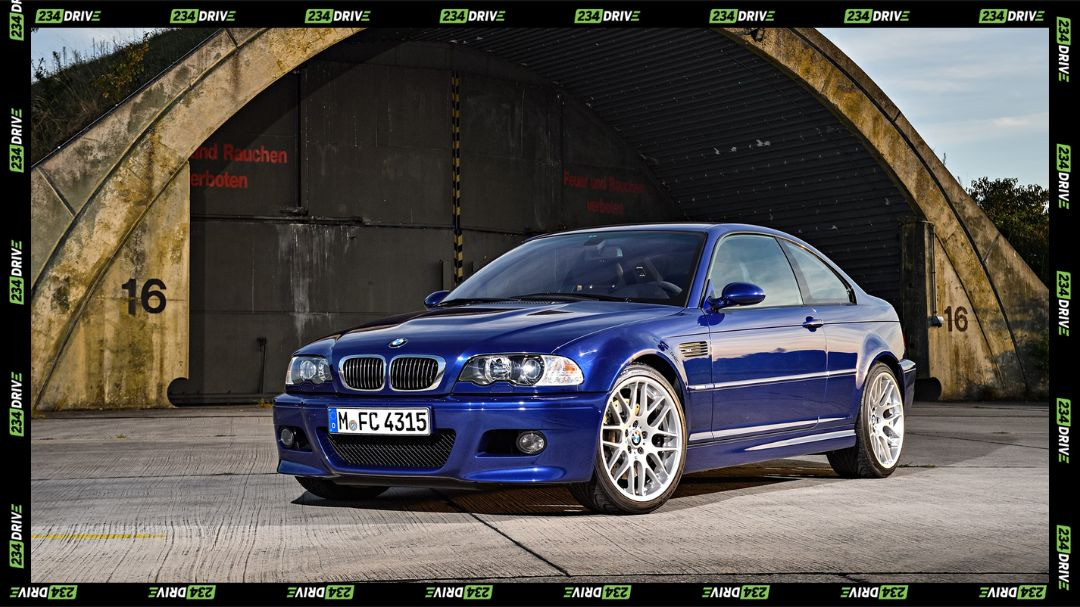
The local drifting scene is heavily populated by older German and Japanese RWD platforms. The BMW E30, E36 and E46 chassis are immensely popular due to their balanced weight distribution, robust engines and the relative availability of spare parts in markets like Ladipo. Older Mercedes-Benz models, Toyota Altezzas and Nissan Z cars also make frequent appearances at exhibition events.
However, a stock vehicle is rarely drift-ready. At a minimum, a dedicated drift car requires a welded differential or a high-quality limited-slip differential (LSD) to ensure both rear wheels spin simultaneously. Suspension must be stiffened with coilovers to manage weight transfer, and the steering angle is often modified to allow for extreme countersteering.
These alterations bring up immediate regulatory questions. While the National Road Traffic Regulations (NRTR) govern vehicle standards, enthusiasts must carefully navigate vehicle modification laws in Nigeria to ensure their heavily tuned track cars do not run afoul of roadworthiness requirements when being transported or occasionally driven on public roads.
The Pioneers of the Nigerian Scene
Car drifting in Nigeria did not emerge from corporate sponsorship or formal motorsport federations. It was built from the ground up by obsessive enthusiasts who funded their own tyre bills and taught themselves how to tune suspension geometry.
Figures like Jamus ‘Jaybash’ Bashar Muhammad and Auwwal ‘Captain Awwal’ Muhammad are widely recognised as the architects of the modern scene. Co-founding the Drift Hunters group around 2020, they shifted the narrative away from reckless street stunting towards disciplined motorsport. They invested in proper safety equipment—racing suits, Snell-approved helmets and roll cages—and began organising private practice sessions.
The ambition of groups like Drift Hunters in Nigeria is not merely to show off but to elevate the region’s talent to a level where local drivers can eventually compete in international series like Formula Drift.
Their efforts have laid the groundwork for larger events. Exhibitions like the Fanfaro Autofest have grown into substantial tournaments, drawing crowds that number in the thousands and proving that a massive local appetite exists for high-octane automotive entertainment. International media outlets are now actively documenting Nigeria’s growing drifting scene, highlighting the sheer ingenuity required to build a motorsport culture in an environment with virtually zero formal infrastructure.
The Infrastructure Deficit and Legal Reality
The greatest barrier to the growth of car drifting in Nigeria is not a lack of talent or vehicles. It is a severe lack of tarmac.
Motorsport requires dedicated, safe and legal environments. Skid pads, purpose-built circuits and large, privately owned concrete expanses are the lifeblood of drifting. Nigeria currently suffers from a massive infrastructure deficit in this regard. This lack of formal space has historically pushed younger, less disciplined drivers onto public roads to practice—a choice that is illegal, highly dangerous and damaging to the sport’s reputation.
The consequences of public-road stunting are severe. In July 2026, FCT Minister Nyesom Wike directed a stringent crackdown on car racing and vehicular stunts in Abuja’s residential areas. Following numerous complaints and viral videos of dangerous street manoeuvres, the government made it clear that public roads are strictly for commuting.
For the legitimate drifting community, this enforcement is both a challenge and an opportunity. It reinforces the urgent need for private investors and motorsport groups to develop closed-circuit facilities. Some groups have already begun conceptualising private arenas in areas like Mabushi, blending go-kart tracks with dedicated drift spaces. Until these facilities become widespread, the sport remains constrained by its environment.
Furthermore, the economics of drifting in a post-subsidy 2026 economy are brutal. Drifting is inherently destructive. A single afternoon of aggressive practice can completely decimate two pairs of rear tyres. Factor in the soaring cost of premium motor spirit (PMS), the high replacement cost of clutches and the inevitable mechanical failures, and the financial barrier to entry becomes incredibly steep.
The Road Ahead
Car drifting in Nigeria sits at a critical intersection. It has outgrown its origins as a niche underground hobby but has not yet secured the institutional backing required to become a mainstream, sanctioned sport.
For the everyday Nigerian who wants to learn, the pathway is clear but demanding. It starts with absorbing the theory, securing a cheap rear-wheel-drive platform and budgeting heavily for maintenance. More importantly, it requires joining established, safety-conscious groups rather than attempting to figure out throttle control on a wet public roundabout.
The noise, the smoke and the spectacle of a perfectly executed drift appeal to something primal in automotive enthusiasts. As long as there are rear-wheel-drive cars and drivers willing to push them past the absolute limit of grip, the interlocking slide will continue to capture the imagination of Nigerian gearheads. The next evolution of the sport does not depend on finding better drivers. It depends on building the tracks they deserve.