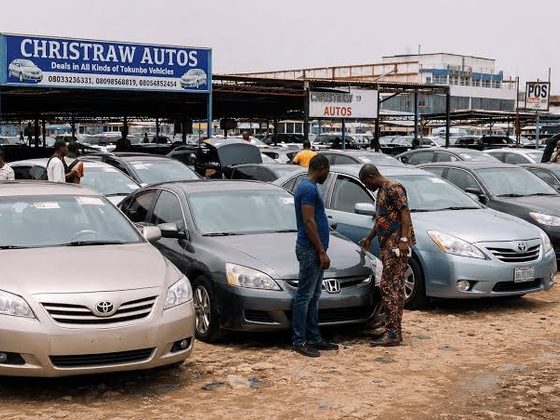

At the Apapa port in Lagos, a 2018 Toyota Camry rolls off a container ship. On screen at a US auction house, this vehicle closed at a deceptively cheap hammer price of ₦8,000,000 ($6,000). But by the time it clears customsand hits a Nigerian roadthe final landed cost has nearly doubled.
For many local buyers, understanding how to import a tokunbo vehicle from platforms like Copart or Insurance Auto Auctions (IAAI) represents the ultimate mobility hack, a chance to bypass local dealership markups. Yet, the 2026 import market is unforgiving. Without a rigorous calculation of stacked duties, transport logistics and hidden repair fees, a dream purchase quickly degenerates into a financial black hole.
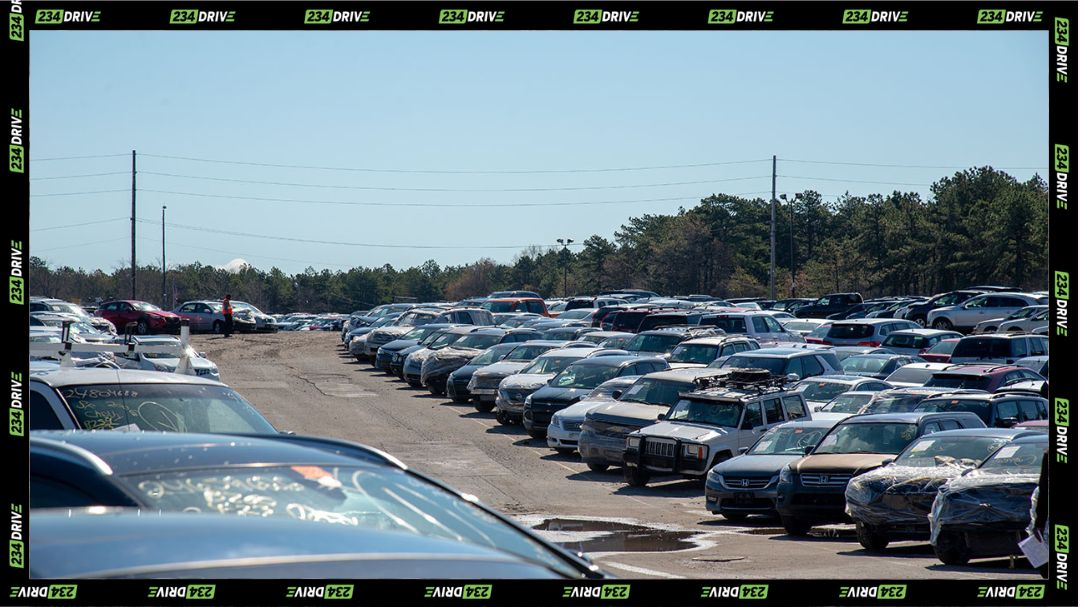
The reality of the 2026 mobility market is clear. While international bidding platforms offer unprecedented access to global inventory, stacked customs duties, hidden repair costs and complex shipping logistics determine the true cost of bringing a car home.
The Bidding Engines of Global Mobility
US auto auctions move hundreds of thousands of vehicles every week. Their inventory ranges from clean-title lease returns and corporate fleet cars to insurance salvage vehicles/cars written off after accidents, floods or theft recoveries.
For Nigerian buyers, two platforms dominate the landscape:
- Copart: This platform holds the largest global inventory with a high volume of clean-title and lightly damaged vehicles. Copart has official authorised representatives in Nigeria, such as AutoBidMaster in Lekki, Lagos, which makes the entry barrier lower for local buyers.
- IAAI: Buyers looking for repairable vehicles direct from insurance companies favour this platform. Their official Nigerian partner is Boacon Autos.
- Aggregator Brokers: Companies like AuctionExport and BidGoDrive provide access to both platforms and often handle the entire logistics chain.
The appeal for the Nigerian market is clear. The US offers a massive selection of reliable Japanese brands like Toyota and Honda in the specific trims Nigerians prefer. Furthermore, the auction platforms provide transparent, high-resolution photographs and vehicle history reports. Many of the tokunbo cars navigating Lagos traffic today began their African journey on these platforms. However, for buyers looking beyond North America, UK vehicle imports present a compelling alternative due to favourable shipping times and unique diesel specifications.
The Two Import Paths: Broker vs Direct
The auction process is unforgiving to those who do not understand the rules. For a Nigerian buyer, there are two main routes to acquiring a vehicle.
Option A: The Broker Route
Using a reputable, authorised Nigerian broker is the safest path. You contact a broker who holds official Copart or IAAI authorisation and they provide access to live inventory.
Once you win the bid, you pay the broker in Naira or via secure USD channels. They handle the complex wire transfer to the auction house and manage domestic US transport, ocean freight and the local customs clearing process.
Option B: Direct Registration
You can register directly on these platforms. Copart allows online registration, often categorising international buyers as business members. IAAI allows public accounts with a passport, driver’s licence and proof of address for a ₦310,000 ($225) annual fee.
However, direct registration presents immediate hurdles. You must secure reliable USD wire transfer channels, coordinate US domestic trucking to the port yourself and navigate complex payment windows. If you miss the three-day payment deadline, steep late fees apply.
Once the ship sails to Lagos, you must still hire a clearing agent to deal with the Nigeria Customs Service (NCS) and register the vehicle with the Federal Road Safety Corps (FRSC). From winning a bid to driving the car in Abuja or Lagos, the entire timeline usually stretches between six and 12 weeks.
The 2026 Landed Cost Breakdown
The hammer price is merely the entry fee. To understand the true cost, we must calculate a standard ₦8,000,000 ($6,000) winning bid for a popular model like a Honda Accord or Toyota Corolla.
The US Auction Side
The initial transaction at the yard involves several stacked expenses:
- Hammer Price: ₦8,000,000 ($6,000)
- Buyer Premium and Fees: 8% to 12%, translating to ₦658,000 ($480) to ₦987,000 ($720). Salvage titles or unsecured payment methods scale these fees higher.
- Gate Fee: ₦108,000 ($79) to ₦130,000 ($95)
- Broker Fee (if applicable): 5% to 10%, or a flat rate of ₦411,000 ($300) to ₦822,000 ($600).
- Subtotal Before Leaving the Yard: ₦9,597,000 ($7,000) to ₦10,968,000 ($8,000).
Shipping to Lagos
Getting the vehicle to West Africa requires a combination of inland transit and marine freight:
- US Inland Transport: Moving the car from the auction yard to the US port costs between ₦274,000 ($200) and ₦822,000 ($600).
- Ocean Freight (RORO): Roll-on/Roll-off shipping is the most common method for vehicles. Depending on the US departure port—such as Houston, Newark or Savannah—this costs between ₦1,500,000 ($1,100) and ₦2,500,00 ($1,800).
- Marine Insurance: Typically 1% to 2% of the vehicle’s value.
Import Duties and Taxes
In 2026, the NCS applies a compounding, stacked duty structure calculated on the Cost, Insurance and Freight (CIF) value of the vehicle. For used passenger cars, the current structure includes:
- Import Duty: 20% of the CIF value.
- NAC Levy: 15% of the CIF value for used vehicles.
- Surcharge: 7% of the base Import Duty.
- FOB Levy: Approximately 4% of the Free On Board value.
- ETLS (ECOWAS Trade Liberalisation Scheme): 0.5%.
- Value Added Tax (VAT): 7.5% applied to the total sum of the CIF plus all stacked duties and levies.
- Green Tax: An additional 2% to 4% on vehicles with engine capacities above 2,000cc.
When stacked, the effective tax rate frequently hits 45% to 50% of the CIF value. For a vehicle with a CIF of ₦13,000,000 ($9,500), expect to pay upwards of ₦6,200,000 ($4,500) to ₦6,800,000 ($5,000) in duties alone.
Clearing and Local Costs
Once the ship berths, local terminal charges and agency fees take effect:
- Terminal and Agency Fees: ₦548,400 ($400) to ₦1,200,000 ($900) for the clearing agent and port charges.
- Inland Transport: Moving the cleared vehicle from Tin Can port to a location within Nigeria costs between ₦150,000 and ₦400,000, depending on the destination.
A car won for ₦8,000,000 ($6,000) at auction will realistically cost between ₦16,000,000 ($12,000) and ₦22,000,000 ($16,000) to land and clear in Nigeria. That is roughly double the hammer price. While this often remains cheaper than buying from a local dealership, failing to calculate this multiplier beforehand is disastrous.
Managing the Unknown Risks
Auctions offer a high degree of transparency. You get high-resolution photographs, condition reports, damage codes and history checks. IAAI notably offers 360-degree engine start videos.
However, what you do not see is what will bankrupt you.
The biggest risk is hidden internal damage. A car might look structurally sound but possess severe undercarriage rust, bent frames or catastrophic electrical faults from previous flood damage, a common issue following US hurricane seasons. While Nigerian mechanics are highly resourceful, importing expensive US replacement parts eats into your margins rapidly.
Title issues also matter. While Nigerian authorities will register salvage or rebuilt titles, these vehicles suffer a significant drop in local resale value. Many informed buyers specifically avoid them.
To mitigate these risks, prioritise vehicles listed as ‘Run & Drive’ with minimal, visible exterior damage, preferably front or rear bumper impacts. Avoid heavy side-impact or flood-damaged lots unless you have a trusted, expert mechanic ready to handle the rebuild.
Tightening Import Regulations
Nigerian mobility policy is tightening. While enforcement occasionally fluctuates, the 2026 regulatory environment leans toward stricter age limits on imported vehicles.
Currently, the safest baseline is a 12-year age limit from the date of manufacture. Importing a vehicle older than 2014 carries a high risk of outright rejection or seizure by Customs. Furthermore, new mandates require vehicles to pass pre-shipment certifications such as VehCAP and Standards Organisation of Nigeria (SON) standards to ensure they meet basic environmental and road-worthiness benchmarks. Finally, the federal government strictly bans the importation of vehicles through land borders; all vehicles must arrive via sea ports.
Always confirm the exact, current interpretation of these rules with your clearing agent before placing a bid, as circulars from the Ministry of Finance update frequently.
Practical Tactics for Nigerian Buyers
If you are ready to enter the market, adhere to these operational rules:
- Use an authorised broker first: For your first three purchases, the broker’s fee is a cheap insurance policy against catastrophic logistical errors.
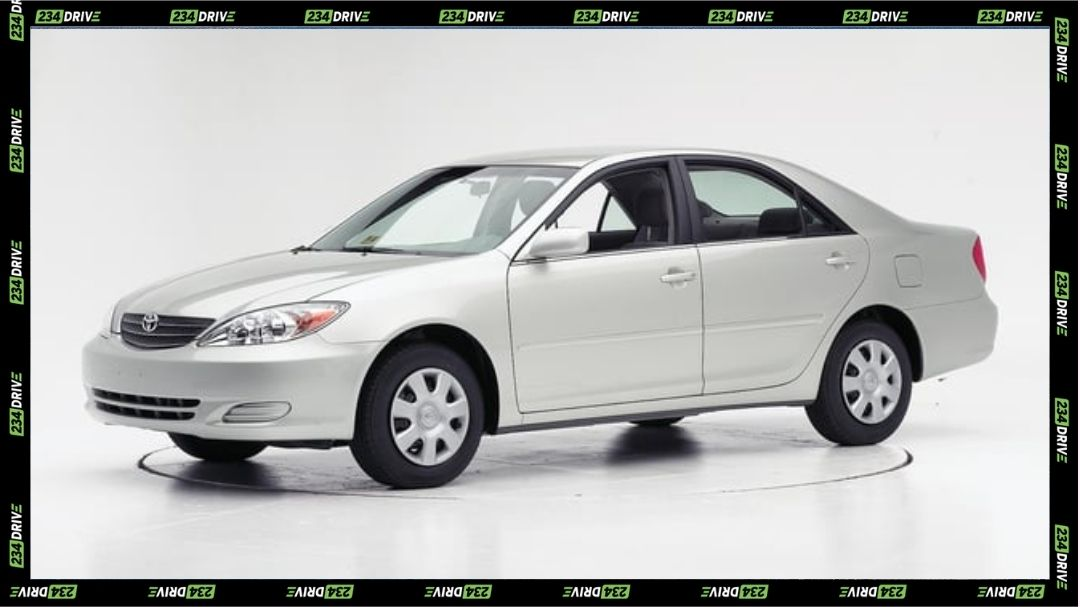
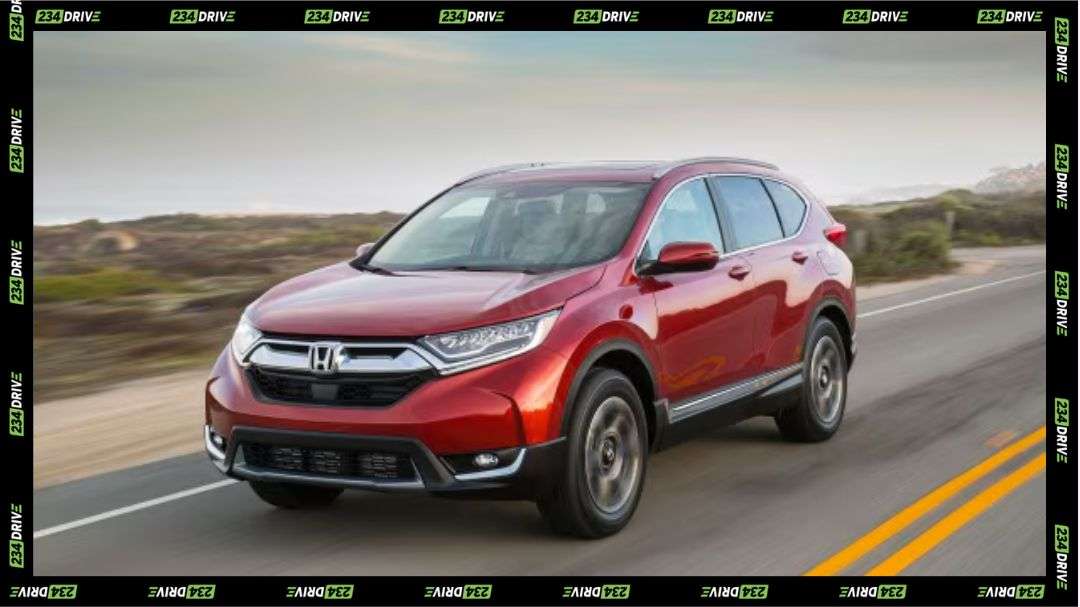
- Target reliable models: Toyota Camrys, Honda Accords and CR-Vs have deep, affordable spare parts networks in Nigeria. Do not import obscure European models unless you enjoy hunting for rare alternators in the Ladipo market.
- Build a budget buffer: Add 25% to your calculated landed cost for unforeseen surprises, port delays or unexpected mechanic bills.
- Verify your partners: Ask your broker for their Corporate Affairs Commission (CAC) registration and their official Copart or IAAI authorisation letters.
- Never use personal accounts: Transfer funds only through verified bank channels to registered corporate accounts.
- Secure local expertise: Have a trusted Nigerian mechanic inspect the car the moment it leaves the port.
Importing tokunbo vehicles from the US in 2026 is absolutely still worth the effort. There are healthy profit margins for business buyers and significant savings for personal users. But it is not a shortcut to easy wealth. It is a rigorous logistical exercise that requires capital, calculated bidding and a deep understanding of the market.