
Mobility innovation in Africa doesn’t only happen in boardrooms or government offices. It happens in a teenager’s home workshop in Burkina Faso, where scrap metal becomes a working electric car. It happens on racing circuits where Nigerian talent competes at the highest levels. It happens in policy rooms where advocates push systems to include the people usually left behind.
This children’s day, we’re highlighting the young Africans who aren’t waiting for permission to reshape mobility.
Luciano Armindo is Building Helicopters Before He Has a Factory
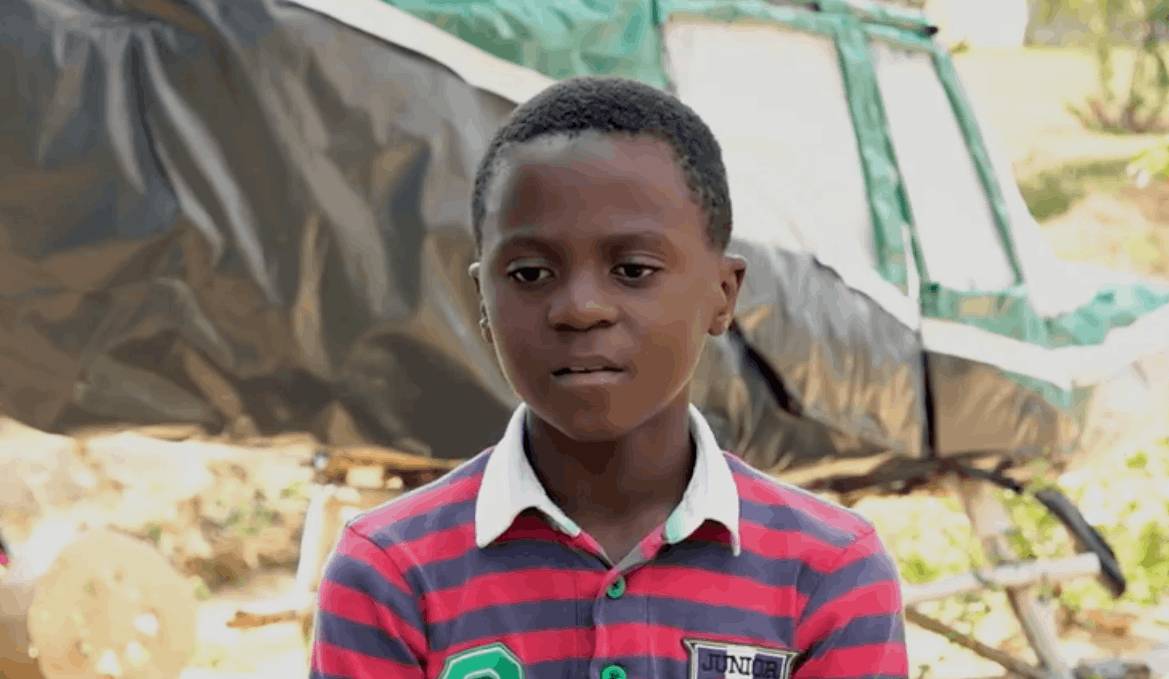
Luciano Armindo’s story begins outside his home in southern Mozambique, where cardboard and wire are not waste but building material—at least, not in his skilful hands.
At 12, Luciano was already collecting scraps and shaping them into life-size models of helicopters and cars. His work became the centre of Giant Little Choppers, an Africa Direct film by Mozambican filmmaker JJ Nota. The film follows Luciano and his brother as they build large replicas from basic materials, turning their home space into something close to an open-air workshop.
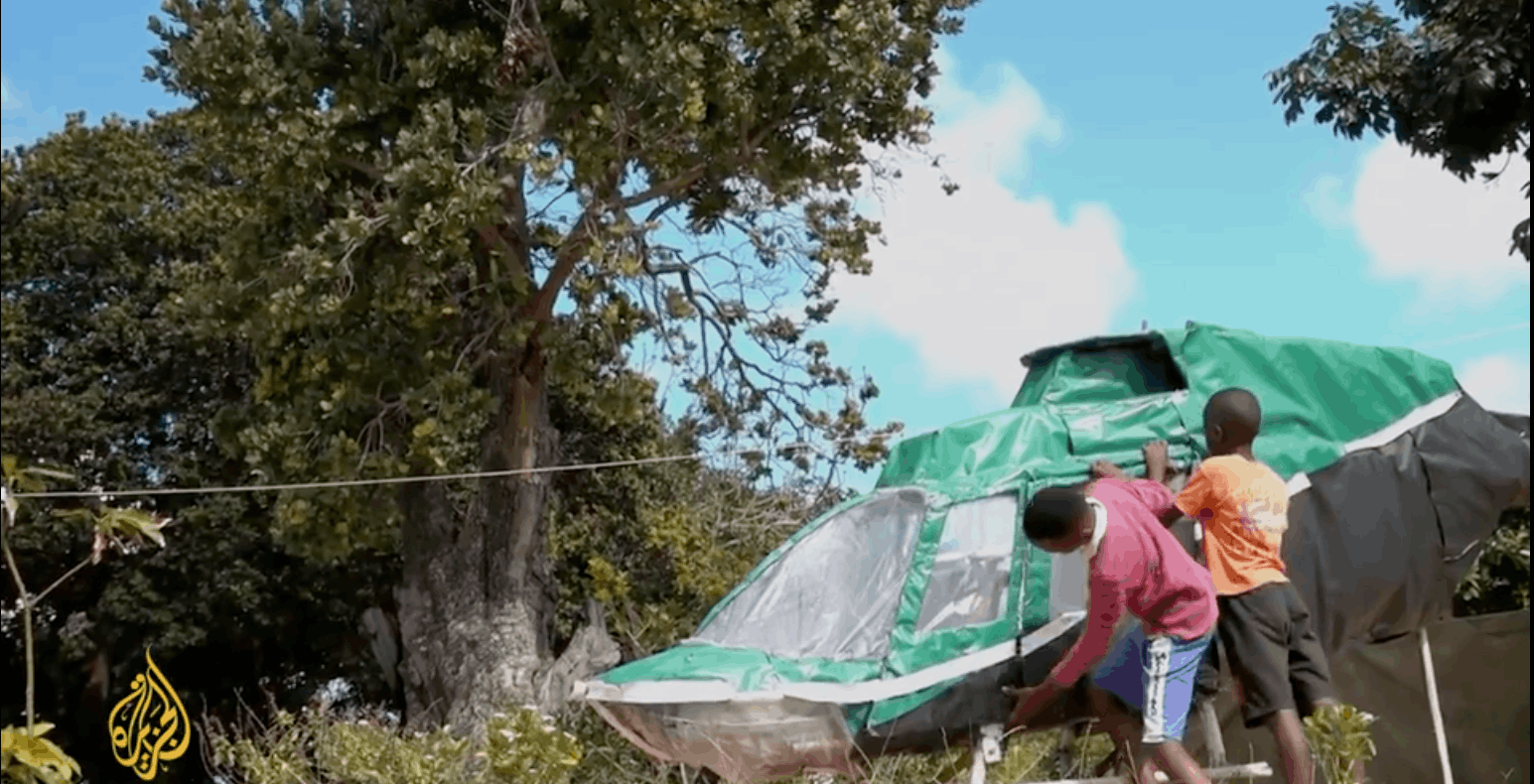
Luciano Armindo’s life-sized helicopter, made from wooden sticks, metal wiring and cardboard. | Source: Al Jazeera.
Luciano’s work goes beyond large replicas. From the way he explains his ideas, he seems to be testing form, scale and how machines come together with the tools available to him. With no formal engineering training yet, one can only wonder how much of his potential will be realised in a lecture hall.
His dream stretches beyond models. Luciano hopes to one day turn his scrap-built designs into real vehicles or even a space rocket. His hopes are also tied to a possible scholarship, which could give him the technical path to move from instinctive building into proper engineering training.
Ugo Ugochukwu is Carrying Nigerian Roots into Global Motorsport

After his maiden FIA F3 win in Melbourne, Ugo Ugochukwu poses beside his Formula 3 car. | Source: fiaf3 via Instagram
Ugo Ugochukwu’s story sits in a faster and more structured world, but it still belongs in the wider conversation about African mobility talent.
Ugochukwu is a Nigerian-American racing driver with Nigerian and Italian roots. He is the son of Nigerian supermodel Oluchi Onweagba and Italian designer Luca Orlandi. His mother, Oluchi, won the first M-Net Face of Africa competition in 1998 as a teenager, becoming a young adult while living in Lagos.
Ugochukwu is not just another driver trying to rise through the ranks. He is a young man carrying Nigerian heritage into a sport where access is expensive, technical and highly competitive.
Ugochukwu has already built a strong profile in junior racing. He was part of the McLaren Driver Development Programme until 2025, won the Formula Regional Oceania Championship in New Zealand and later moved into FIA Formula 3 with Campos Racing.
For Ugochukwu, the story is still unfolding. But his rise already shows how African-linked talent can move into spaces that often feel far from everyday African mobility conversations. His path points to another side of movement, where speed, discipline and years of quiet work shape the climb into elite racing.
Ude Sorgo Turned Scrap into a Working Electric Car
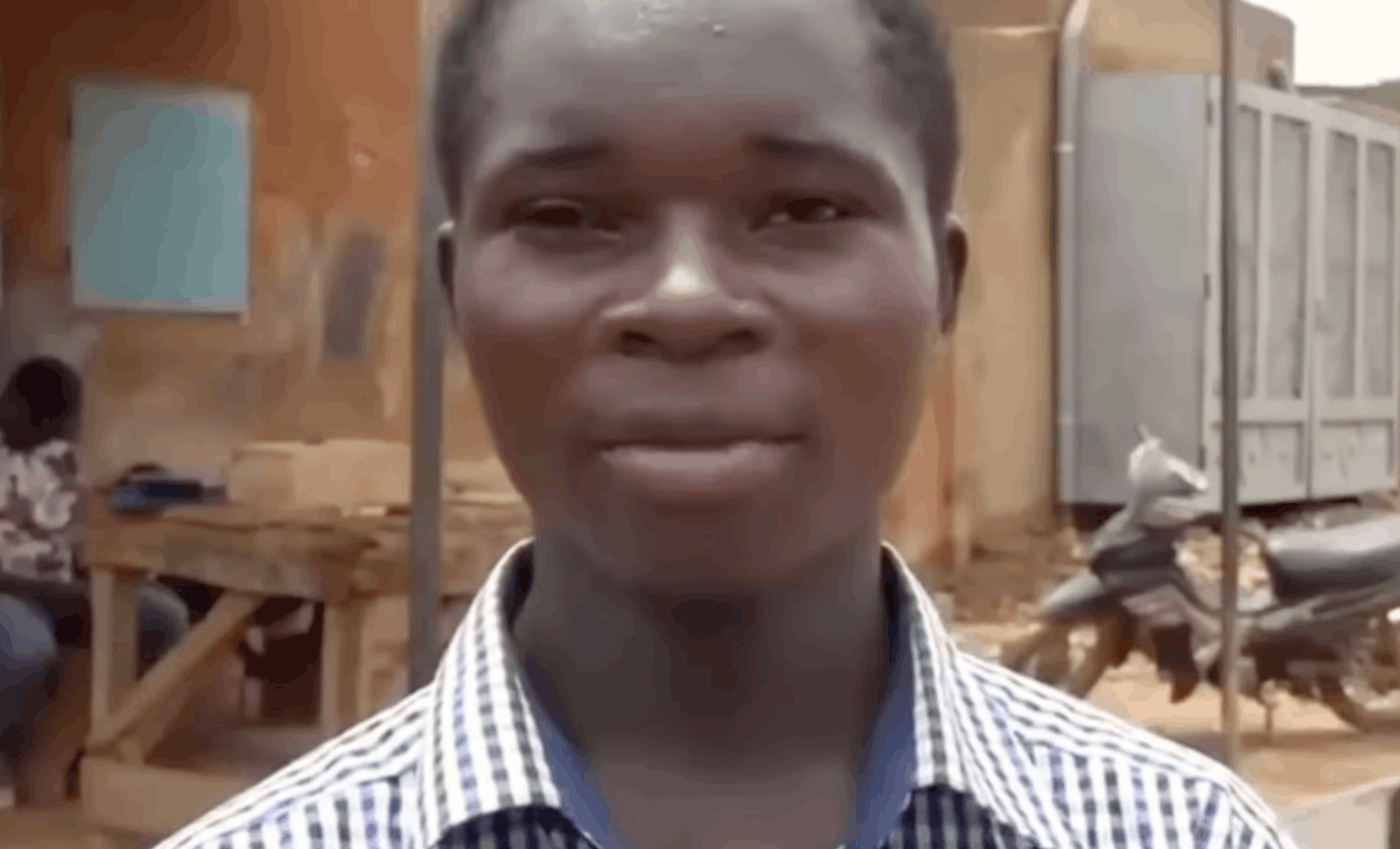
Ude Sorgo is a 17-year-old student from Burkina Faso who built a functional electric car using scrap metal and discarded materials. The two-seater can reportedly travel up to 50 km on two rechargeable batteries and reach about 30 km/h. It also comes with brakes, headlights, signals, a cooling system and a small sound system.
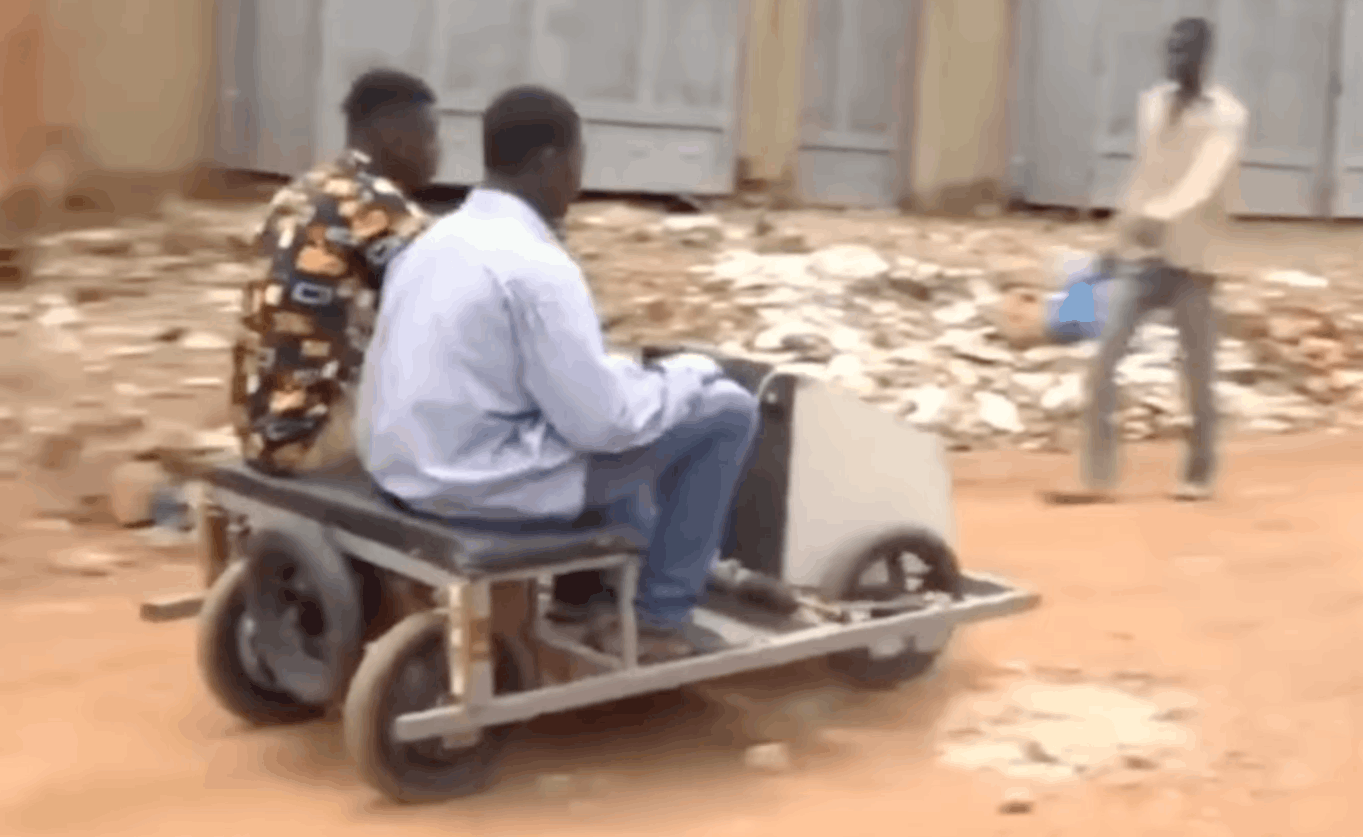
The electric car was only the fruit of a curiosity that had been budding for years. As a child, Ude made toy cars from discarded plastic, wires and old motors taken from broken gadgets. What looked like waste to many adults and toys to kids became his way of learning how things worked.
His father, Innocent Sorgo, helped to nurture that curiosity. After seeing the school bicycle turned into an electric-powered bike, Ude’s father opened up his workshop. Safety remained a concern, but guidance mattered more than shutting the work down.
Ude’s father’s support gives the story its strongest human layer. The car did not come from a polished innovation centre or university lab. It came from trial, scrap material and a home where a teenager was allowed to work to fulfil his ambition.
Etsenumhe Ahmad Built the Lamborghini He Could Not Buy
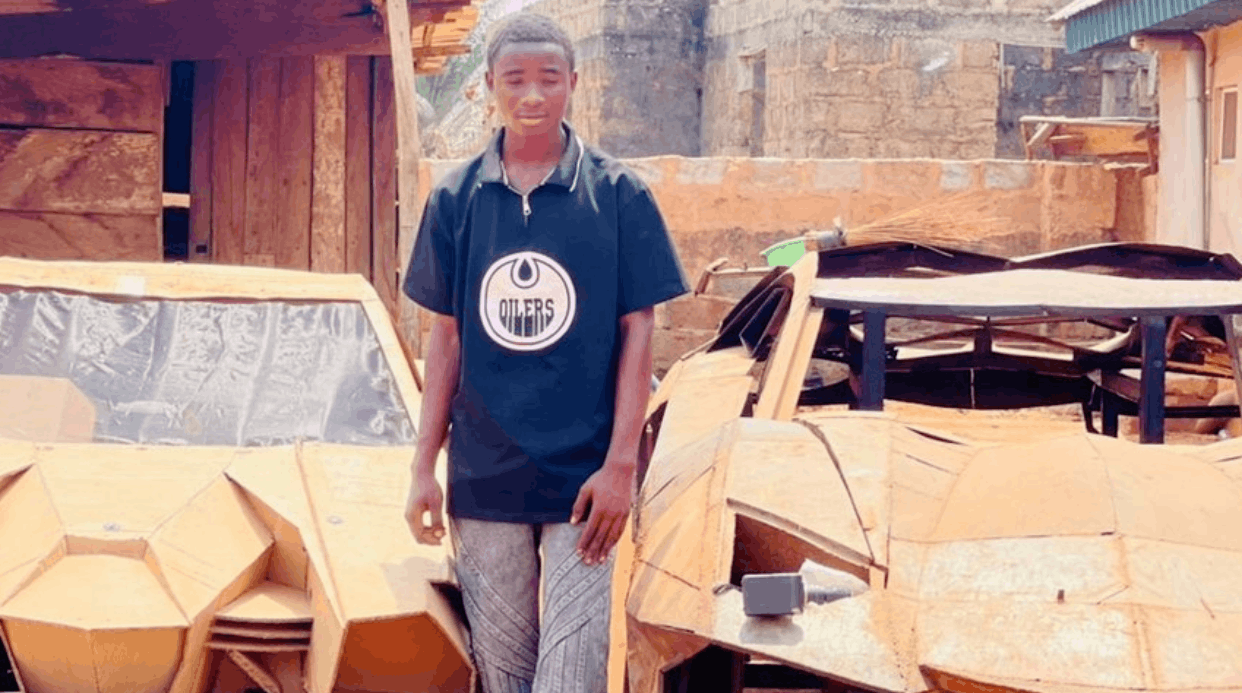
He wanted a Lamborghini, but buying one was out of reach. So Etsenumhe Ahmad built his own from cardboard.
Ahmad, an 18-year-old from Okpekpe in Edo State, spent two years creating a functional Lamborghini Egoista-style replica from cardboard packaging. The original Egoista is one of Lamborghini’s most extreme designs, unveiled in 2013 for the brand’s 50th anniversary with a fighter-jet-inspired look and a 5.2-litre V10 engine.
One report says it sold for $117 million, though that is an unofficial figure from Lamborghini.

That contrast makes Ahmad’s version stand out. He was not copying a regular sports car. He took a rare, futuristic design and rebuilt its shape with recycled motorcycle packaging, then made it move with a small motorcycle engine. His homemade car can reportedly reach about 40 km/h, or 24 mph.
Through his TikTok account, Talented Ahmad, the project travelled beyond Okpekpe. Videos of the car driving on Nigerian roads drew attention because people were not just watching a replica on display. They were seeing a teenager turn a private fascination into something real enough to move through traffic.
Lucy Kihonge is Building Safer Transport through Policy

Image of Lucy Kihonge. | Source: Changing Transport
Lucy Kihonge works to make transport systems safer and more inclusive for the people they often overlook.
As Head of Programmes for Gender, Diversity and Social Inclusion at Flone Initiative, she focuses on people who are often left out of transport planning, including women and persons with disabilities. Her work looks beyond whether buses, roads or new mobility tools exist. It asks whether people can use them without fear or exclusion.
For more than seven years, Kihonge has worked as a gender and human rights specialist, pushing transport and mobility development planners to consider the needs of vulnerable groups from the start. In Kenya’s transport space, that focus has made her part of the wider conversation on gender, disability and access.
She leads the Women in Transport Movement, the Women in E-Mobility Network and the Moving Barriers Technical Working Group. Through these platforms, her advocacy pushes mobility systems to pay attention to the people most likely to be ignored when decisions are made.
Mobility Impact Takes Many Forms
These stories each show one way young people can reshape mobility. The builders show how far imagination can go when scraps become starting points, or when an environment is conducive enough to turn imagination into innovation.