
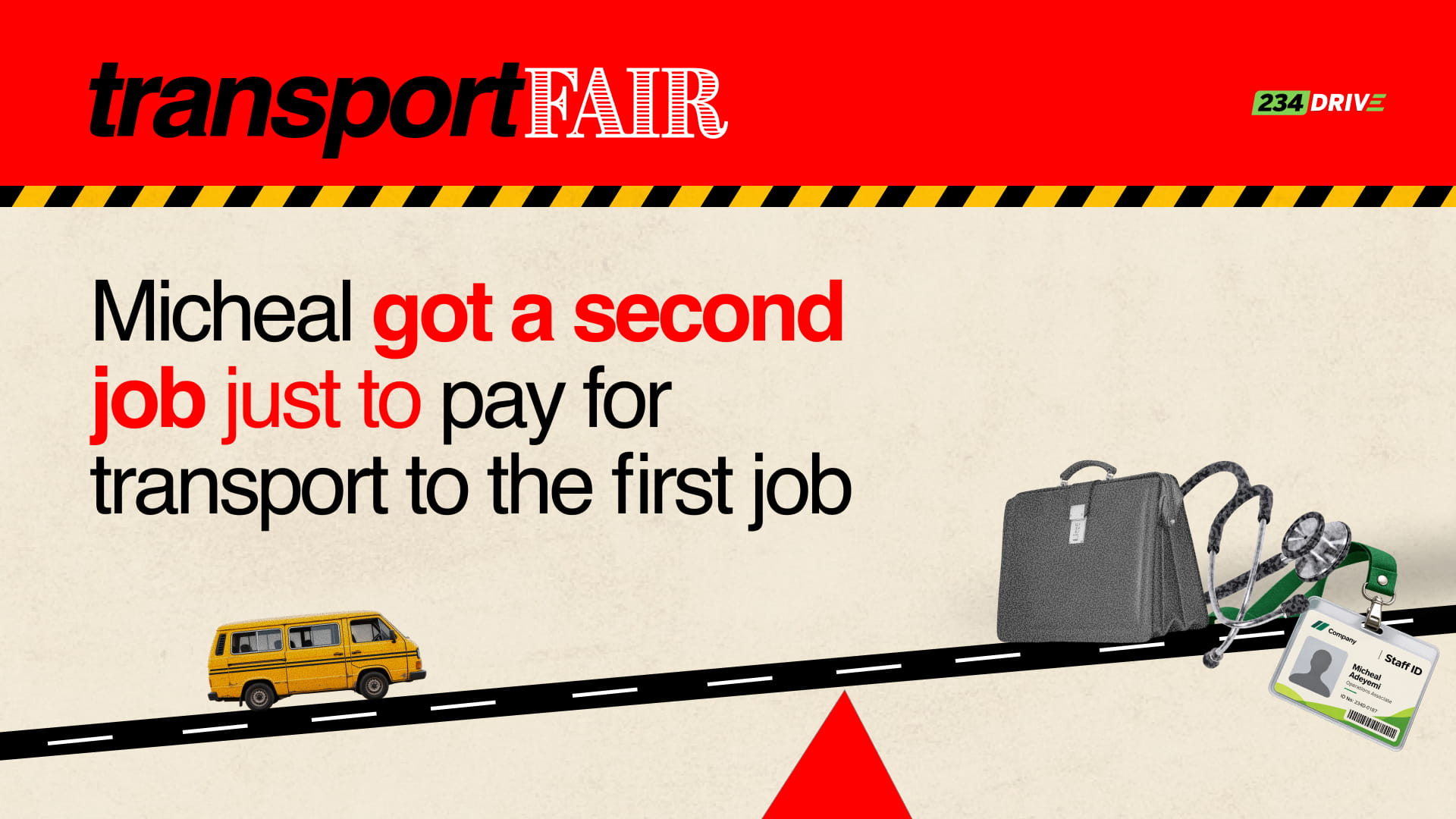
Michael, a 27-year-old business development professional, does not leave home without first checking who is going his way.
Some mornings, that choice affects his commute. If he drives straight from Chevron to Ikoyi, he can get to work in under an hour. If he accepts an InDrive ride first, he has to factor in the wait, pickup, drop-off and still continue to his own office.
Still, if it means he gets to boost his earnings, that extra stress is well worth it.
Michael’s desk job involves building partnerships, bringing in deals and helping the company grow its customer base. But before the meetings begin, he makes the choice to turn the morning drive from the Chevron side of the Island to Ikoyi more profitable for himself.
These days, Michael is usually awake before his alarm. He sets it for 7am but finds himself up around 6:45 or 6:50, giving him a few extra minutes to prepare. If he needs to cook or warm his food before he leaves, he does that. Then he dresses for work and gets ready to leave.
By around 7:45am, he is usually set. That is when the second part of his morning routine begins.
Michael opens InDrive and checks for riders heading in a direction that works for him. It could be someone going to Victoria Island or Lekki, or somewhere close enough to Ikoyi to make the detour worthwhile.
The goal is not to pick up just anyone. The ride has to fit his route, his timing and the cost of keeping the car on the road.
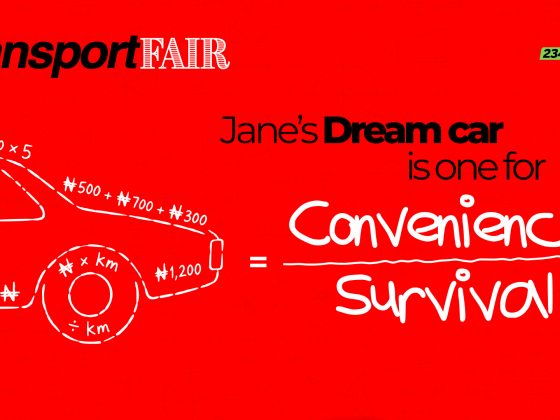
What used to be a normal work drive has become a small calculation: how much fuel he can recover, how much time he may lose and whether the stress is worth it before work.
The Corolla First Meant Freedom
Michael has been around cars for years, but driving only started for him in 2018, around the time his father opened a bakery in Yaba.
The first lessons came in one of the delivery buses, with a driver guiding him on routes between Yaba and the Island. Michael was not handling the full distance himself then, but those trips gave him an early feel of Lagos roads.
The bakery also became one of his first work environments. In his university days, COVID made it harder to get a regular placement, so Michael did his IT there and worked as a salesperson. After graduation, he moved on to Friesland, the multinational behind Peak Milk and Three Crowns, then Cowry Asset Management, where he learnt about stocks and money market products.
Later, his father got the Corolla now used for much of his movement. Michael practised with it, his sister also learnt with it before getting her own car and, like many new drivers, there were a few bumps along the way.
By 2019, the Corolla had become easier for him to handle. Back then, it meant freedom. It gave Michael a way to move around Lagos without waiting for buses or dealing with the stress of public transport.
But the role of the car has changed.
The Corolla still makes movement easier, but it now comes with a bigger financial question. Every trip has to make sense. Even leisure has to pass through the fuel-price filter.
His Route is Not Just from Chevron to Ikoyi
Barring any special activity, Michael makes the trip from Chevron to Ikoyi three times a week.
On a direct drive, the journey takes about 40 to 50 minutes. That is, when there is no rider to wait for, pick up or drop off. But once Michael accepts an InDrive trip before work, that can add up to one hour to his trip.
The extra time is part of what Michael weighs before accepting a ride. Most days, he still gets to work before his 10am resumption time, but the trade-off is clear: the ride helps with fuel while making the commute longer than it would normally be.
For Michael, the point is to make the Corolla support itself. The money from rides goes back into the car, while his salary stays free for the things he is trying to build outside the car.
As he sees it, ‘If the car can cover part of its own cost, then my 9-5 money can go into things that matter to me, like my investments and taking care of myself.’
That investment habit did not start recently. Since his time at Cowry Asset Management, where he learned about stocks and money market products, Michael has been building a small portfolio of his own.
The same thinking follows him after work. In the evenings, he also looks out for riders heading from around Ikoyi towards Chevron or somewhere close to home. That return trip, he said, usually brings in a bit more.
Fuel Changed The Whole Equation
Before fuel became this expensive, Michael says he spent about ₦20,000 a week on fuel. Now, it is closer to ₦50,000.
That jump has changed how he thinks about driving. A car still makes movement easier, but with fuel prices rising and other economic pressures adding up, that comfort now comes with a heavier bill.
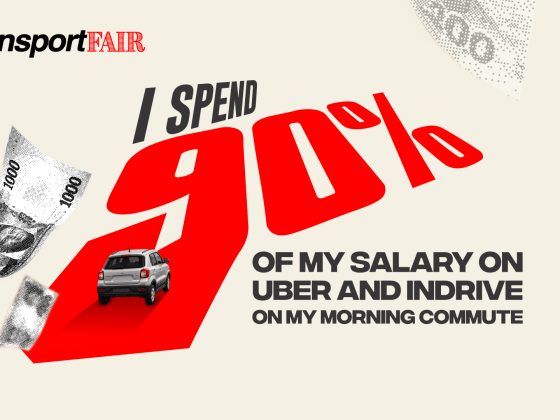
Without the riders he picks up, that money would come straight from his salary. For someone earning about ₦300,000 a month, spending ₦50,000 weekly on fuel would cut deep before rent, food, savings and other personal needs even come in.
That is why the InDrive income matters.
In April, Michael says he made about ₦239,000 from morning and evening rides. On a good day, he can make around ₦8,000 from the morning trip and about ₦11,000 on the return journey in the evening. His highest monthly earnings were around ₦400,000, but that was before he started his business development job, when he spent more time working mainly as a ride-hailing driver between 11am and 2pm on weekdays.
Now, with a full-time job in the mix, he has to be more selective.
Why Michael Now Chooses Rides More Carefully
Michael did not choose InDrive by accident. He had tried other ride-hailing options, but InDrive gave him something he valued more: control.
On the app, he can see where a rider is going, decide if the route works, negotiate the fare and avoid trips that may waste time or put the car through bad roads.
In a city where a normal-looking route on the map can still mean traffic, flooding or bad roads during the rainy season, the extra income is not worth it if the trip puts the car at risk or gets him to work late.
Bolt, he says, takes a higher percentage, which discouraged him. Uber also required a document he did not have, so he did not continue with it.
Thus, InDrive became the better fit, even though the numbers are no longer as light as they used to be.
Michael says app charges and taxes now take more from drivers, although he understands that the platforms also have their own costs to manage.
As Michael explained it, ‘Before, if a trip was ₦5,000, the deduction could be around ₦600. Now, that same kind of trip can lose about ₦1,000 or so. So if a rider offers a fare, I don’t always accept it like that. I usually add about ₦2,000 to whatever they offer.’
Driving Costs a Bit More, But Public Transport Still Does Not Win
When Michael was asked how much it would cost to get to work without his car, he admitted he did not really know.
He only gave an estimate based on what he has heard from people who move towards the same area. From his side of Lagos, the trip would likely mean getting to CMS or Obalende first, then taking another bus towards Falomo or somewhere closer to Ikoyi Club 1938. After that, he may still have to walk or take one more short bus.
By his estimate, daily public transport could cost around ₦4,000 to ₦5,000. Over five workdays, that could reach about ₦25,000. With weekend movement, church and other necessary trips added, the weekly figure may not be too far from what fuel already costs him.
For Michael, public transport may look cheaper at first, but once the stress, waiting and comfort are considered, the gap does not feel wide enough.
When asked if he would still drive if his public transport was covered and he could still make the same extra income from rides, he laughed.
‘I would still prefer to drive my car,’ he said.
Leisure Now Has To Make Sense
Rising fuel costs have also changed how Michael spends his free time. Before, he could take the car out on weekends simply because he felt like moving around. Sometimes, that meant leaving home around 10pm, hanging out and returning by 2am. Now, those casual drives happen less often.
He still sees friends and makes time for things he enjoys, from dancing to anime, games and movies. But movement now needs more thought. Even with a car, distance, traffic and road conditions still decide whether a casual outing is worth it. As he puts it, ‘It is not every extra money that is worth what the road can do to the car.’
That thinking now follows him into the places he accepts, avoids or postpones entirely.
Some Places Are No Longer Worth The Stress
There are places he now avoids or at least thinks twice about. Agungi is one. Jakande is another. Orchid also comes up. The Mainland is on that list too, though for a slightly different reason.
According to him, the Mainland feels more complicated because he does not know the roads there as well as he knows the Island. Island routes feel easier to read, while the Mainland, in his view, has more room for wrong turns, traffic officers and routes that can quickly become a problem.
One experience of his still stands out. Some years ago, Michael drove his sister to a studio in Yaba and followed the map through a route that turned out to be one-way. The problem was that the map did not show it was that type of road.
Before they could correct the mistake, traffic officers stopped them. Then he had to spend time and money at the station before they could leave.
Since then, the Mainland has carried a certain caution for him. It is not that he can never go there. If a better-paying job comes up there, he would consider it and probably learn the routes within a week or two. But without a strong reason, he is not eager to go.
He Has Learnt To Read The Road
Michael has also learnt that driving in Lagos rewards quick adaptation.
When he first started working around Ikoyi, the routes were not familiar. After about a week, the area began to make more sense. Dropping someone in Victoria Island became easier. Bonny Camp no longer felt as tricky. Over time, the links started to fall into place depending on where the trip began.
So when asked what he would change about movement in Lagos, his answer leaned towards order on the roads.
Traffic rules, in his view, should be enforced more clearly. Danfo drivers should use proper bus stops and those stops should be respected. That alone, Michael believes, would make movement smoother.
Part of that order may soon take shape through Lagos State’s planned paid parking scheme, which is expected to formalise parking in parts of the city.
For Michael, the ask is not complicated. Lagos roads just need more structure, so drivers are not constantly guessing, adjusting or calculating their way through every trip.