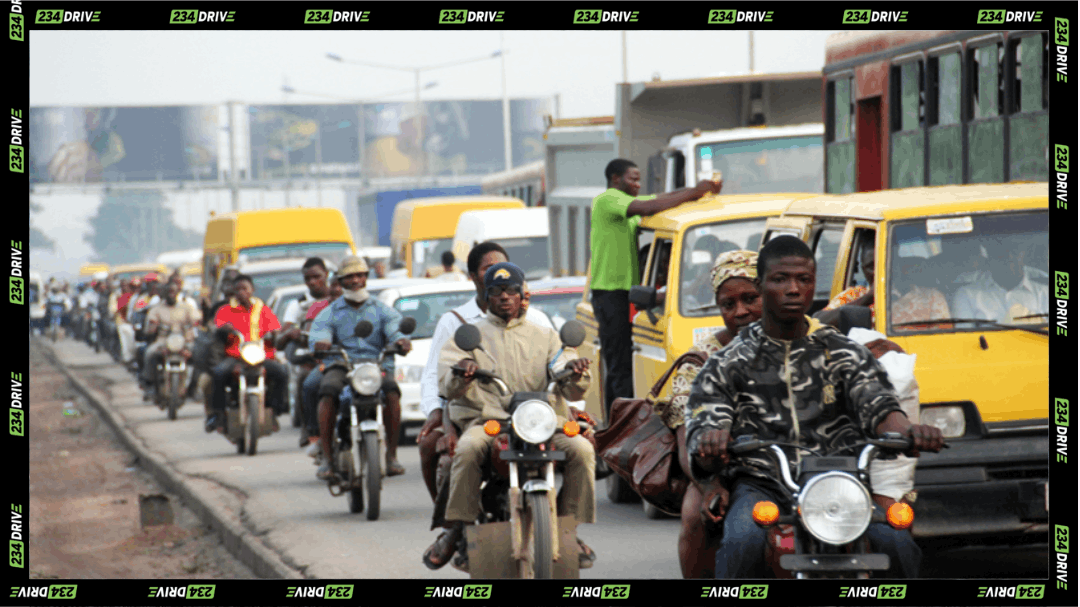

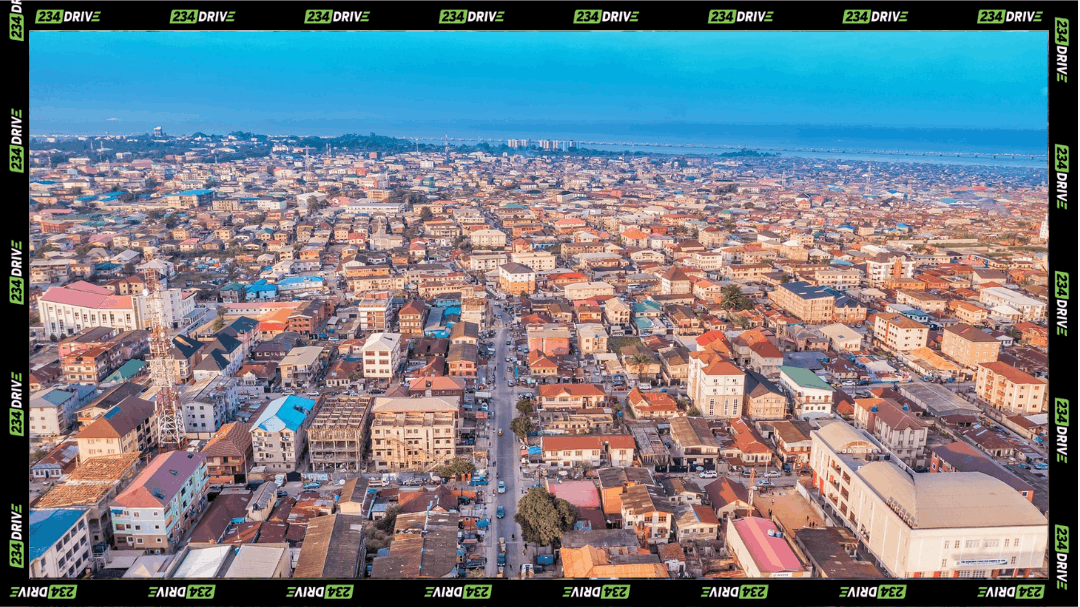
The decisions about work, housing, school, family life and transport rarely stay in separate lanes. Where you live affects how you move, how you move affects where you work, and both can shape family routines, finances and the opportunities available to you.
In Lagos, that chain reaction often becomes a daily trade-off. A person may take a job because the pay looks better, then realise the route eats into the gain. A worker may stay far from the office because rent nearby is out of reach, then pay for the distance every morning. A parent may plan the whole household around traffic, school runs and the fear of children starting the day already tired.
That tight cycle is the commute trap. It is not just about bad traffic or long distances. It is about how housing, income, work, school and parenting keep forcing people to choose what they can live with.
The Worker Who Can Afford Transport But Not Rent
Tolu lives in Lagos at Gowon Estate and works around Command Bus Stop, Ipaja. On a normal day, transport costs about ₦500 to ₦700, depending on road conditions.
By Lagos standards, that does not sound extreme. The city already stretches the meaning of a ‘normal’ work trip. A 2023 Lagos traffic report revealed that residents spend an average of 2.21 hours on the road on their way to work daily, while 45% of respondents spend more than two hours getting to work. Tolu says his own trip does not take that long.
However, time spent on the road is not the only thing that makes a commute heavy. Tolu earns within the ₦60,000 to ₦100,000 range and currently stays with family. That arrangement removes rent from the budget, which makes it the most logical choice for now. It is not the most convenient setup, but it reduces the pressure of having to pay yearly rent from a small salary.
Moving out would change the calculation immediately. Around the area, Tolu says a self-contained apartment can cost between ₦400,000 and ₦800,000 or ₦900,000 yearly, depending on the size.
Thousands of young Nigerians face a similar pressure around rent and independence. In Lagos, that pressure is sharper. The Guardian reported in April 2026 that apartments that rented for about ₦500,000 two years earlier were going for up to ₦2.5 million annually in parts of the Mainland. Nigeria’s national minimum wage, meanwhile, is ₦70,000 monthly, or ₦840,000 yearly.
That is the gap Tolu is trying not to fall into. In his words, he is still ‘trying to put materials together’ before thinking of how to cut his coat according to size. Moving out may offer more privacy and independence, but it would also introduce a rent burden his current income may not carry comfortably.
Even without rent, Tolu says he is usually left with only ‘20-something thousand’ at the end of the month. Staying with family keeps one major cost away, but transport still takes its share every workday.
By evening, the cost is no longer just financial. He is often too tired for much else, and his social life has shrunk around a routine that mostly ends with sleep.
The Job Offer That Lost Value on the Road
Obi’s commute trap shows up most clearly in his work decisions.
He stays with his parents at Shomolu and works as an accountant around Ikeja. Not paying rent gives him some breathing space, but it does not remove financial pressure completely. He still contributes to household expenses, including fuel, foodstuff and subscriptions.
Moving closer to Ikeja would make sense if rent were cheaper and his income increased enough to support living there. According to Obi, the issue is not only finding the money to move. It is being able to keep living after the move.
The young accountant is right to consider living expenses, as a worker might be able to raise rent once and still struggle through the rest of the year. Feeding, bills, family responsibilities, data and daily living do not stop because the office is nearer. If the new area is more expensive, the worker may simply exchange one pressure for another.
Obi has also had to weigh distance against opportunity. After his NYSC service year, he turned down a job because the route did not make sense. The pay was better than what he currently earns, but not enough to justify travelling from the Mainland to the Island every day, especially when transport cost and stress entered the picture.
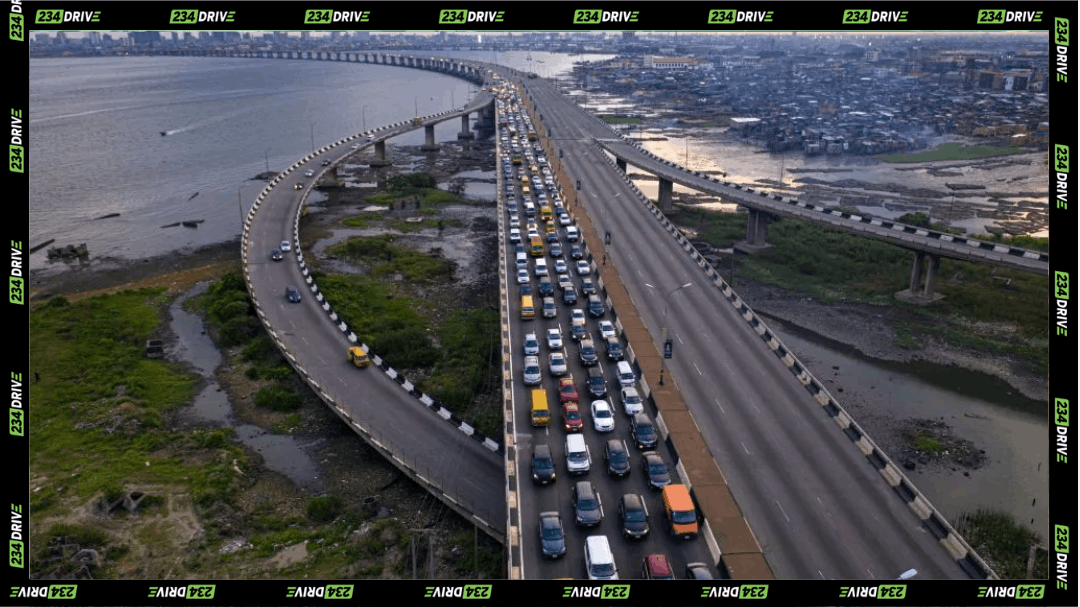
For workers like Obi, distance can weaken an opportunity before it starts. A better salary loses weight once transport cost, stress and time enter the picture. The job may look like progress on paper, but the route can make it harder to accept.
Obi says he is grateful for his current workplace because it gives some room to adjust. When transport fares rise because of wider economic pressures, the company tries to ease the burden by increasing remote-work days and adding a small allowance for the inconvenience. Obi says he does not know many companies that do that.
Even then, the support only goes so far. He still has to make his own adjustments, cutting back on certain things to stay afloat.
When Traffic Decides the Family Routine
Funke’s journey to work did not only stretch the day. For the mother of four, it also changed the rhythm of the house.
Before retiring from nursing, Funke moved with her family into their house in Ikorodu while still working in Somolu. That decision gave the family a home of their own, but it also placed work several hours away. To resume before 8 a.m., the day often had to start around 4 a.m., with her leaving home before 5 a.m. Leaving closer to 6 a.m. could mean getting to work as late as 10 a.m., depending on traffic congestion along the infamous Fadeyi-Ikorodu route.
That kind of movement does not leave much room for a slow morning. There was little time to properly check on the children before the day began. The road came first because missing that early window could scatter everything else.
The same pressure returned in the evening. By the time Funke got back, parts of the home routine had already moved without her. Some things had to be rushed. Some things had to wait. On harder days, someone else had to cover the gap because traffic does not pause for feeding, homework, bedtime or the small conversations that hold a household together.
Research using the American Time Use Survey found that one extra hour of daily commuting was linked to 21.8 fewer minutes spent with a spouse and 18.6 fewer minutes spent with children. The study was not about Lagos, but in a city that has ranked among the world’s worst for traffic congestion, the family-time cost can feel even sharper. When movement stretches the workday, family life gets what is left.
In Funke’s case, the commute did not just move a nurse from Ikorodu to Somolu and back. It kept deciding how much of the morning a mother could give to her children and how much of the evening she could return to the home.
Traffic & Commute Options Shape School Choices
Toki’s family lives around Lekki, but his children have never attended a regular school. Long before the possibility of school runs became part of family life, he had already seen what Lagos traffic could do to children.
Over a decade ago, Toki moved from Port Harcourt to Lagos for work, initially staying with a friend in Ajah. Most mornings, around 5:30 a.m., he would stand at the junction waiting for the staff bus. Around him, school buses packed with children were already on the road.
That image stayed with him. He kept wondering what time those children had woken up and what time they would return home after facing traffic again in the evening. It was not yet about his own children, but the concern had already formed.
When Toki eventually became a parent, that concern helped shape the family’s choices. He and his partner wanted a broader kind of education for their girls. They looked for a school that matched what they wanted, but when they did not find one, homeschooling became the option that made sense. It was not only about avoiding the road, but the road made the decision clearer.
Now, movement works differently in the home. The family can avoid rush hour, plan trips more deliberately and keep the children from starting the day tired. The girls get to sleep well, wake up without the pressure of an early bus and learn without traffic setting the tone for the morning.
The trade-off is still real. Homeschooling gives the family more control over time, but it also puts more responsibility on the home. Learning, structure, social life and exposure have to be created intentionally.
The Commute Trap Is a Housing Story Too
Tolu stays with family because rent would take too much from a small income. Obi measures job offers against the routes attached to them. Funke’s commute cuts into the time and energy that should return home. Toki’s family removed the school run before it could become part of their children’s daily lives.
Lagos faces a housing deficit estimated at 3.4 million units, up from 2.95 million over a decade, while more than 70% of residents remain renters. Inside that gap, the commute trap becomes more than a traffic problem for Lagosians. It becomes a balancing act between rent, distance, work and family, with each choice putting pressure on the next.
Policy researchers in Europe describe this kind of pressure as transport vulnerability, where households spend a significant share of their resources just to stay mobile. Lagos already shows signs of the same problem. A study on transport poverty and social exclusion found that suburban households spend more than 34.7% of their income on transportation, while households closer to central areas often face higher housing costs. This leaves many residents weighing cheaper housing against longer, costlier commutes.
The Danne Institute’s congestion research shows how traffic deepens that pressure. It estimates that Lagos public transport users spend an extra ₦79,039.40 annually, while car owners spend an extra ₦133,978.68 because of congestion. For many Lagos workers and families, movement is no longer just part of daily life. It is the cost attached to the housing, work and school arrangements they can manage.
What It Would Take to Break the Commute Trap
Lagos workers and families have already adjusted in many ways.
They wake early, stretch salaries, stay with relatives, negotiate remote work days, avoid rush hour and build school routines around traffic. These choices may look practical, but they also show how much daily life now bends around movement.
The commute trap is not always loud. It can show up as a tired evening, a job offer that no longer makes sense, a rent decision delayed, or a school routine built to avoid the road.
Solving it will require more than individual discipline. People need housing they can afford near real opportunities, transport they can plan around, and a city where work, school and home are not always fighting for the same hours.
Until then, many Lagosians will keep choosing the option they can manage, even when it costs them time, rest, money and family life.